
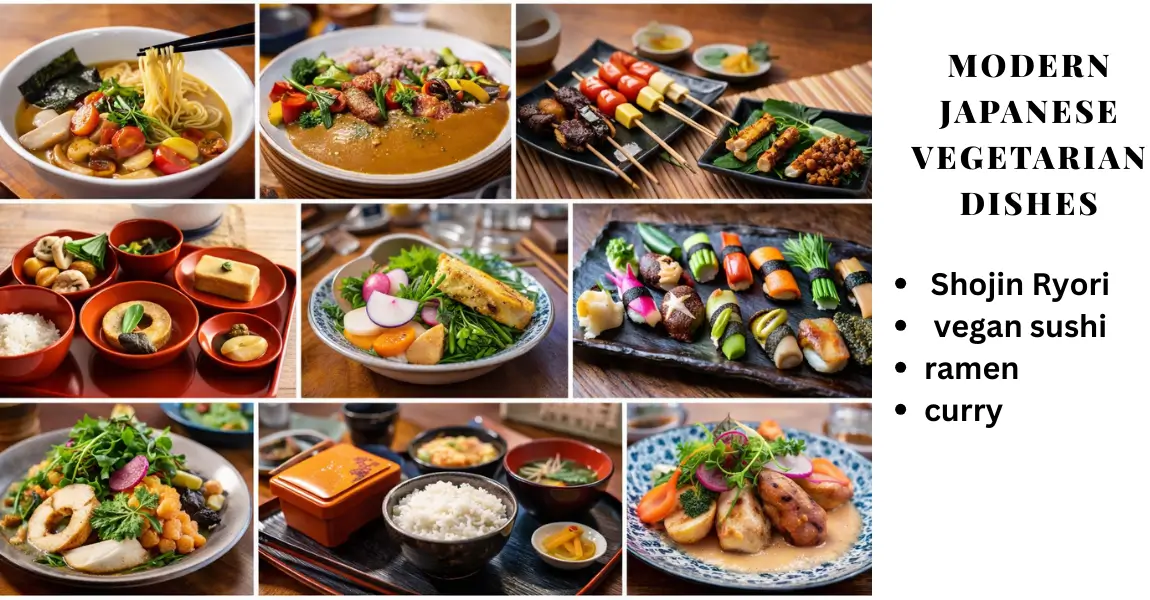
Vegetarian Food in Japan is becoming easier to find, but many travelers still face confusion due to hidden fish-based ingredients. Japan is often known for seafood-heavy cuisine, yet vegetarian visitors can eat safely and comfortably with the right knowledge.
This 2026 edition provides updated, practical guidance for finding 100% vegetarian meals, avoiding common mistakes, and enjoying authentic Japanese cuisine without stress. The information is based on current restaurant trends, temple dining traditions, and widely available travel tools used by international visitors.
For more destination-based dining insights, explore our Local Food Guide section featuring verified food recommendations for travelers worldwide.
Understanding What “Vegetarian” Means in Japan
Vegetarian Food in Japan does not always match Western definitions. Many dishes that appear plant-based may contain fish-derived seasoning.
Hidden Use of Dashi (Fish Broth)
Dashi is a common cooking base made from bonito flakes (dried fish). It is widely used in soups, sauces, tofu dishes, and even vegetable-based meals.
Even dishes labeled as “yasai” (vegetable) may contain dashi. Travelers must confirm directly with staff.
To communicate clearly, use:
“Watashi wa bejitarian desu. Niku to sakana wa tabemasen.”
(I am vegetarian. I do not eat meat or fish.)
For strict vegetarians, also say:
“Dashi mo dame desu.”
(No fish broth, please.)
Clear communication reduces confusion and ensures safe meals.
Traditional Vegetarian Cuisine in Japan
Shojin Ryori: Japan’s Buddhist Temple Cuisine
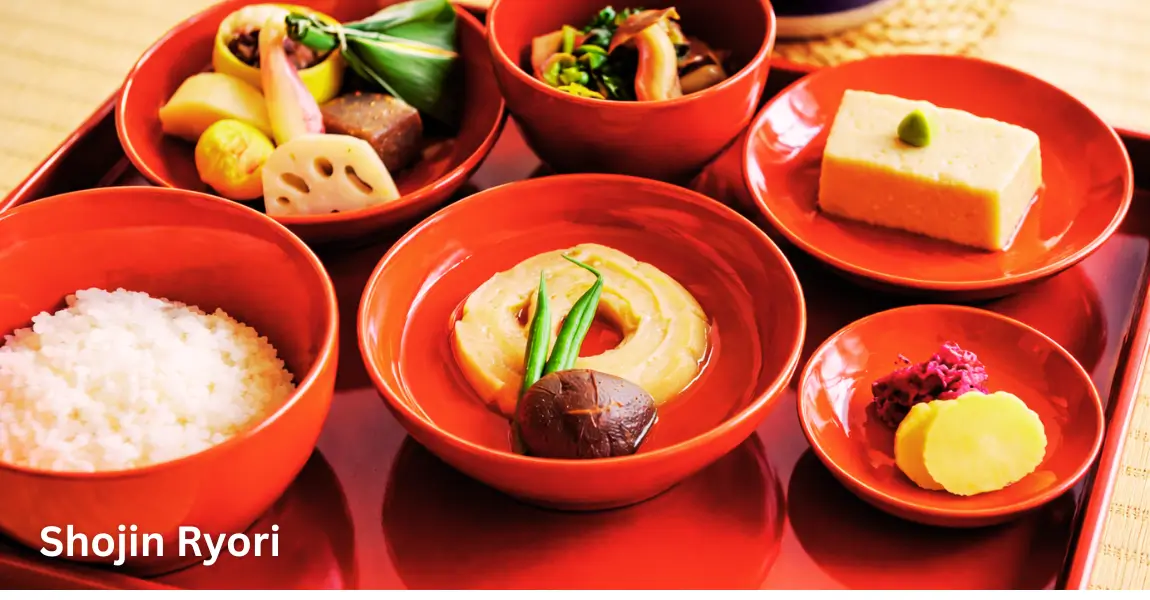
Shojin Ryori is Japan’s authentic vegetarian cuisine developed in Buddhist temples. It is fully plant-based and follows Zen principles of balance and simplicity.
This cuisine includes:
Tofu and soy-based dishes
Seasonal vegetables
Seaweed and mountain plants
No meat or fish
Often no garlic or onion
Top locations include:
Kyoto
Koyasan
Meals are carefully prepared and served as multi-course sets. Prices range from ¥2,000 to ¥5,000.
Shojin Ryori remains the safest and most traditional vegetarian dining experience in Japan.
Vegetarian Ramen Options Expanding in 2026

Ramen is traditionally made with pork or chicken broth. However, vegetarian and vegan ramen shops have increased significantly in major cities.
Plant-based broth is typically made from:
Miso
Soy sauce
Mushrooms
Seaweed
Best cities for vegetarian ramen:
Tokyo
Osaka
Average price: ¥900–¥1,500.
Travelers can search “vegan ramen near me” on Google Maps for updated listings. Apps like HappyCow provide verified listings.
Vegetarian Sushi: Simple and Widely Available
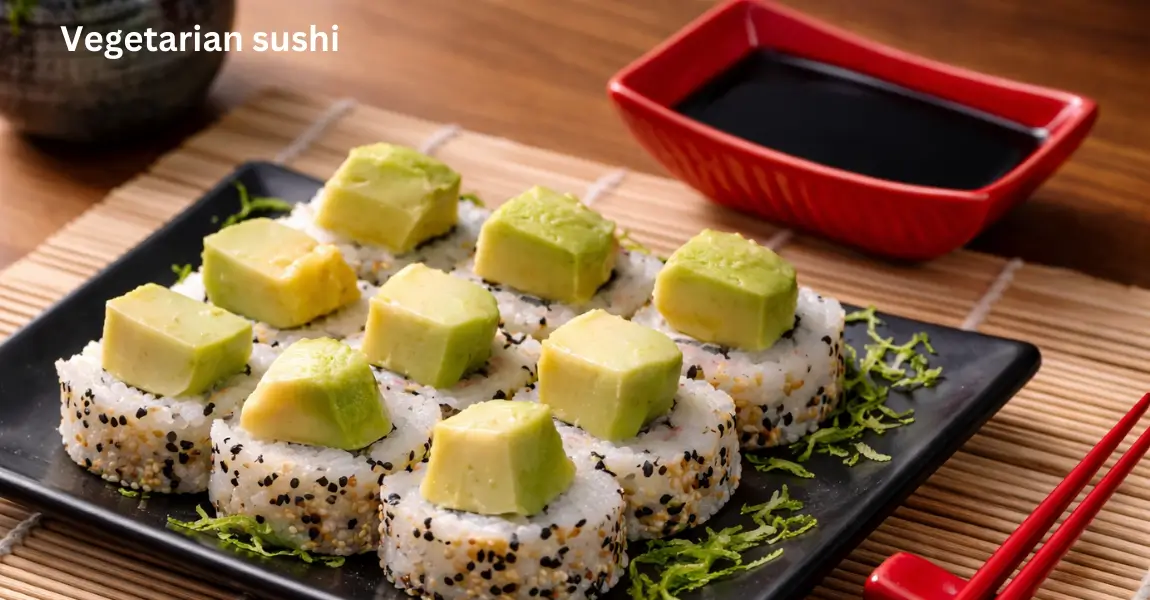
Vegetarian sushi is easy to find in supermarkets and many sushi restaurants.
Common vegetarian options include:
Kappa Maki (cucumber roll)
Avocado roll
Inari sushi (sweet tofu rice pocket)
Oshinko maki (pickled radish roll)
Travelers should confirm that sushi rice seasoning does not contain fish extracts. While uncommon, some specialty shops may include it.
Vegetarian sushi is affordable and widely available across Japan.
Japanese Curry: Vegetarian Versions Available
Japanese curry is popular nationwide. Traditional versions include beef or chicken, but vegetarian options are increasingly available.
Ask:
“Kore wa niku nashi desu ka?”
(Is this without meat?)
Indian restaurants in cities such as Tokyo and Kyoto often serve fully vegetarian curry.
Price range: ¥1,000–¥1,500.
Convenience Store Survival Guide
Convenience stores are reliable food sources for vegetarian travelers.
Chains such as 7-Eleven Japan offer labeled products with ingredient lists.
Common vegetarian-friendly items:
Plain onigiri (check for tuna or fish filling)
Seaweed salad
Edamame
Fresh fruit cups
Plain bread
Always use translation apps to scan ingredient labels.
Best Cities for Vegetarian Travelers
Kyoto
Kyoto is widely considered the most vegetarian-friendly city in Japan. Its strong Buddhist heritage supports traditional temple cuisine, which is fully plant-based and carefully prepared.
Many restaurants specialize in tofu dishes, seasonal vegetables, and multi-course vegetarian meals. Vegan cafés are also common, especially in central districts. Menus are often clearly labeled, and staff are generally familiar with dietary requests.
For travelers who want authentic Japanese vegetarian food with minimal risk of hidden ingredients, Kyoto is the most reliable choice.
Tokyo
Tokyo has the highest number of vegan and vegetarian restaurants in Japan. The city offers both traditional Japanese plant-based meals and international vegetarian cuisine.
Districts such as Shibuya and Shinjuku feature vegan ramen shops, plant-based sushi options, and global restaurants with dedicated vegetarian menus. Supermarkets and department food halls also provide clearly labeled packaged meals.
Tokyo is ideal for travelers who prefer variety and easy access to different dining styles.
Osaka
Osaka’s vegetarian scene is growing steadily. While the city is traditionally known for meat and seafood dishes, modern vegan cafés and specialty restaurants are increasing.
Plant-based ramen, rice bowls, and desserts are now easier to find in central areas. However, travelers should still confirm ingredients, especially in smaller local restaurants.
Osaka works well for visitors who plan ahead and use restaurant search apps.
Hidden Non-Vegetarian Ingredients to Avoid
Vegetarian Food in Japan often includes hidden fish-based seasonings.
Avoid:
Dashi (fish broth)
Bonito flakes
Fish sauce
Oyster sauce
Gelatin desserts
Reading ingredient labels is essential.
Budget Planning for Vegetarian Travelers
| Meal Type | Cost (Approx.) |
|---|---|
| Temple Meal | ¥2,000–¥5,000 |
| Ramen | ¥900–¥1,500 |
| Convenience Store | ¥400–¥800 |
| Vegan Restaurant | ¥1,200–¥2,500 |
Daily vegetarian food budget: ¥2,000–¥4,000.
Japan remains affordable for vegetarian travelers with proper planning.
Vegetarian-Friendly Ryokan Stays
Traditional inns, known as ryokan, often accommodate vegetarian requests if informed in advance.
Recommended areas include:
Hakone
Kyoto
Guests must inform the property at booking time. Most ryokan are flexible with dietary requests.
Helpful Travel Apps
Travelers benefit from digital tools:
HappyCow – Restaurant finder
Google Translate – Scan ingredient labels
Google Maps – Search “vegan near me”
Official tourism information can be found at the Japan National Tourism Organization website.
If you are also planning a trip to India, you can read our detailed guide on Pure-Veg Restaurants in New Delhi — The Ultimate Verified Guide for Tourists (2026) for verified vegetarian dining options.
Frequently Asked Questions
1. Is it difficult to find Vegetarian Food in Japan?
It is manageable in major cities. Rural areas require more planning.
2. Does “yasai” mean vegetarian?
No. Yasai means vegetables, but dishes may still contain fish broth.
3. Is vegan food available in Japan?
Yes. Vegan restaurants are increasing, especially in Tokyo and Kyoto.
4. Are Buddhist temple meals fully vegetarian?
Yes. Shojin Ryori is 100% vegetarian.
5. Can convenience stores support vegetarian diets?
Yes, with careful label checking.
6. Should I inform hotels about dietary restrictions?
Yes. Inform ryokan and hotels in advance for meal arrangements.
Conclusion
Vegetarian Food in Japan is accessible, diverse, and steadily expanding in 2026. While hidden fish-based ingredients remain common, awareness and proper communication make vegetarian travel practical and safe.
Major cities offer extensive plant-based dining options. Traditional temple cuisine provides authentic vegetarian experiences. Convenience stores and international restaurants add flexibility.
With preparation and basic Japanese phrases, vegetarian travelers can confidently enjoy Japan’s food culture without compromise.
You May Like
Explore Gujarati Cuisine: The World’s Best Vegetarian Food Experience
Food in Thailand Vegetarian: (2025) Complete Guide for Veg Foodies