

Introduction: Why the Canada Tour Experience Feels Truly Unique
Travel to Canada is more than visiting landmarks or ticking destinations off a list. It offers a different pace of travel—one built on balance, space, and order. Visitors often expect scenic views, but they leave with a deeper appreciation for calm environments, structured systems, and respect for nature.
What sets Canada apart is not intensity but harmony. Cities function smoothly, people respect rules, and natural landscapes remain protected rather than overdeveloped. This combination makes Travel to Canada appealing to travelers who value clarity, safety, and meaningful experiences.
Every great trip begins with the right information. In our “Know Your Destination” section, we explore important travel insights, local culture, safety tips, best seasons to visit, and practical advice to help you plan smarter and travel confidently.
Canada Is Not One Country — It’s Many Worlds Living Together
Canada’s identity is shaped by its diversity—geographical, cultural, and historical.
The Arctic North reflects isolation, resilience, and Indigenous heritage
Quebec carries strong European influence through language and architecture
The Prairies represent openness, agriculture, and wide horizons
British Columbia blends rainforest, ocean, and mountains
Ontario balances finance, multicultural cities, and freshwater landscapes
These regions coexist without competing. Travel to Canada means witnessing different lifestyles connected by shared respect for structure and coexistence.

First Impressions: Calm, Order, and Space
One of the first things travelers notice when they Travel to Canada is calm. Airports are organized, public transport follows schedules, and urban areas feel less crowded than expected. Even major cities maintain access to parks, lakes, and walking paths.
This order reduces travel fatigue. Instead of constant alertness, visitors can focus on observation and experience.
Understanding Canada’s Scale: Distance Changes Everything
Canada is the second-largest country in the world, and distance shapes every journey.
Long drives are normal
Forests stretch for hours
Lakes resemble inland seas
Silence replaces congestion on highways
For first-time visitors, this scale encourages slower travel. Planning becomes essential, and rushing feels unnecessary. Travel to Canada naturally teaches patience and respect for time.
Cities That Live Inside Nature, Not Away From It
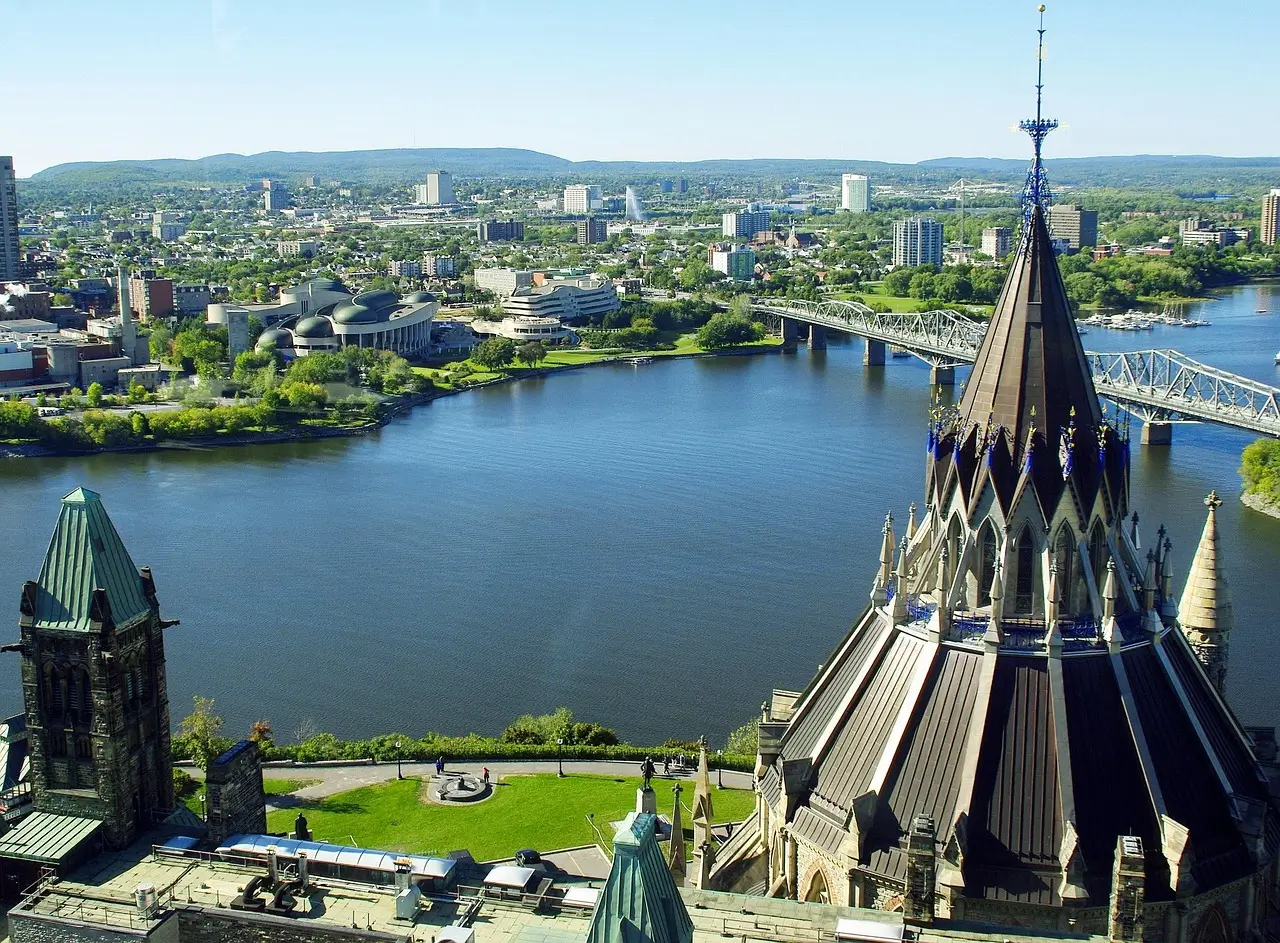
Canadian cities are designed around nature rather than separated from it, allowing urban life and natural landscapes to exist side by side. This approach shapes how people live, move, and travel across the country.

Vancouver
Located between the Pacific Ocean and the Coast Mountains, Vancouver offers beaches, forests, and hiking trails within minutes of the city center. Urban life here is closely tied to outdoor activity and environmental awareness.Calgary
Calgary sits at the edge of open prairies with direct access to the Rocky Mountains. The city serves as a gateway to national parks while maintaining a strong, modern urban core.

Toronto
Toronto combines high-rise buildings with waterfront parks, islands, and lakefront trails. Green spaces and Lake Ontario play a central role in daily city life.Quebec City
Built along the St. Lawrence River, Quebec City blends historic walls, old streets, and natural scenery. The river shapes both its landscape and cultural identity.Alberta is defined by vast prairies, dramatic mountain ranges, and some of Canada’s most iconic national parks. The province offers open landscapes where distance, silence, and scenery shape the travel experience.
This city design changes how travelers experience urban life while they Travel to Canada—nature is always close, accessible, and part of the journey.



While Niagara Falls is well known, much of Canada’s beauty is subtle and often found away from crowded attractions.
Empty hiking trails – Offer peaceful walks where nature can be experienced without interruption.
Unfenced lakes – Allow visitors to enjoy open, natural landscapes without heavy development or restrictions.
Scenic highways without crowds – Create relaxed journeys where the drive itself becomes part of the experience.
When travelers explore beyond famous sites, Travel to Canada becomes quieter, slower, and more reflective.
Wildlife Encounters: Responsible and Regulated
Canada is one of the few places where wildlife remains genuinely wild.
Moose near highways – Large, free-roaming animals often appear near forested roads, especially in rural regions.
Whales along coastal waters – Coastal provinces offer natural whale sightings without artificial enclosures.
Bears within protected parks – Bears live in monitored national parks where human interaction is strictly controlled.
Wildlife tourism is regulated to protect animals and people, ensuring encounters remain safe and respectful during Travel to Canada.
Indigenous Canada: Understanding the Land’s First Stories
A complete experience of Travel to Canada includes learning about Indigenous Peoples—First Nations, Inuit, and Métis communities.
Land stewardship – Indigenous traditions emphasize protecting land rather than exploiting it.
Sustainable living – Communities demonstrate balance between nature, resources, and daily life.
Cultural resilience – Centuries of history and survival shape modern Indigenous identity.
Museums, cultural centers, and guided experiences offer respectful education that adds depth to any visit.

Canadian Road Trips: When the Journey Matters Most
Road travel defines much of Travel to Canada.
Icefields Parkway – A dramatic mountain highway surrounded by glaciers and turquoise lakes.
Sea-to-Sky Highway – A coastal drive combining ocean views, cliffs, and alpine scenery.
Cabot Trail – A slow, scenic loop showcasing cliffs, forests, and Atlantic coastlines.
These routes are immersive, often making the drive itself the highlight of the trip.
Food in Canada: Diversity Without a Single Identity
Canadian food reflects its multicultural population.
Traditional dishes like poutine – Simple comfort food rooted in regional history.
Global cuisines in major cities – International flavors shaped by immigration and diversity.
Local farm-to-table dining – Fresh, seasonal food sourced directly from Canadian farms.
There is no single dominant flavor, mirroring the diversity experienced when you Travel to Canada.
Safety, Cleanliness, and Structure
One reason Travel to Canada feels easy is reliability.
Public transport is consistent – Systems run on schedule with clear rules and signage.
Rules are generally followed – Social order creates a calm and predictable environment.
Cities are clean and organized – Urban spaces are well-maintained and visitor-friendly.
This structure reduces stress and allows travelers to focus on exploration.
Who Should Choose Travel to Canada?
Canada suits many travel styles.
Solo travelers seeking safety – Low crime and polite social norms provide confidence.
Families needing child-friendly spaces – Parks, museums, and cities are designed for families.
Seniors valuing accessibility – Infrastructure supports comfort and mobility.
Nature-focused travelers – Vast landscapes reward slow, outdoor exploration.
Travel to Canada adapts to travelers instead of demanding adjustment.

Costs: Expensive but Transparent
Travel costs in Canada can be high, but pricing reflects value.
Maintained infrastructure – Roads, parks, and cities are consistently well cared for.
Environmental protection – Fees support conservation and sustainability efforts.
Reliable services – Quality accommodation and transport justify the expense.
Most visitors find the value clear, honest, and predictable.
Canada Immigration, Study, and Long-Term Travel
Canada is globally known for structured immigration pathways, respected education systems, and safe long-term living. These factors influence not only migration decisions but also repeat tourism and extended stays.
Common Mistakes First-Time Visitors Make
Overpacking itineraries – Trying to see too much in a short time leads to rushed travel and missed experiences.
Underestimating distances – Canada’s vast size means travel times are often longer than expected, requiring realistic planning.
Ignoring seasonal conditions – Weather and daylight vary greatly by season and can strongly affect activities and mobility.
Slow, thoughtful planning improves the Travel to Canada experience significantly.
Why Travel to Canada Is Never a One-Time Trip
Canada’s size, diversity, and strong seasonal changes make it impossible to experience fully in one visit. Many travelers return to explore:
New regions – Each province and territory offers a distinct landscape and lifestyle.
Different seasons – The same destination feels completely different across summer, autumn, winter, and spring.
Deeper cultural understanding – Repeat visits allow travelers to better appreciate local communities, history, and traditions.
Each visit feels distinct, offering a new perspective every time.
Conclusion
To Travel to Canada is to experience a destination built on balance, safety, and reliability. Canada offers calm cities, preserved nature, and well-organized systems that make travel smooth and stress-free. Urban life blends naturally with lakes, forests, and mountains, allowing visitors to enjoy both comfort and outdoor beauty in one journey. Seasonal changes keep each visit fresh, while clean environments and clear rules add to the sense of ease. Rather than overwhelming travelers, Canada encourages slow, thoughtful exploration. For those seeking clarity, structure, and meaningful travel, Travel to Canada remains a destination worth returning to.
FAQs About Travel to Canada
Q1: Is Travel to Canada suitable for first-time international travelers?
Yes. Canada is safe, structured, and easy to navigate.
Q2: What is the best time to Travel to Canada?
Late spring through early autumn offers the most flexibility.
Q3: Is Travel to Canada expensive?
Costs are higher, but services and infrastructure offer clear value.
Q4: Do I need a car when I Travel to Canada?
Cities are accessible without one; nature travel often requires a car.
Q5: Is Travel to Canada family-friendly?
Yes. Public spaces and services support families well.
Q6: Can I combine cities and nature in one trip?
Yes. That balance is a key strength of Travel to Canada.
You May Like
How to Reach Fogo Island? Complete Travel Guide & Insider Tips