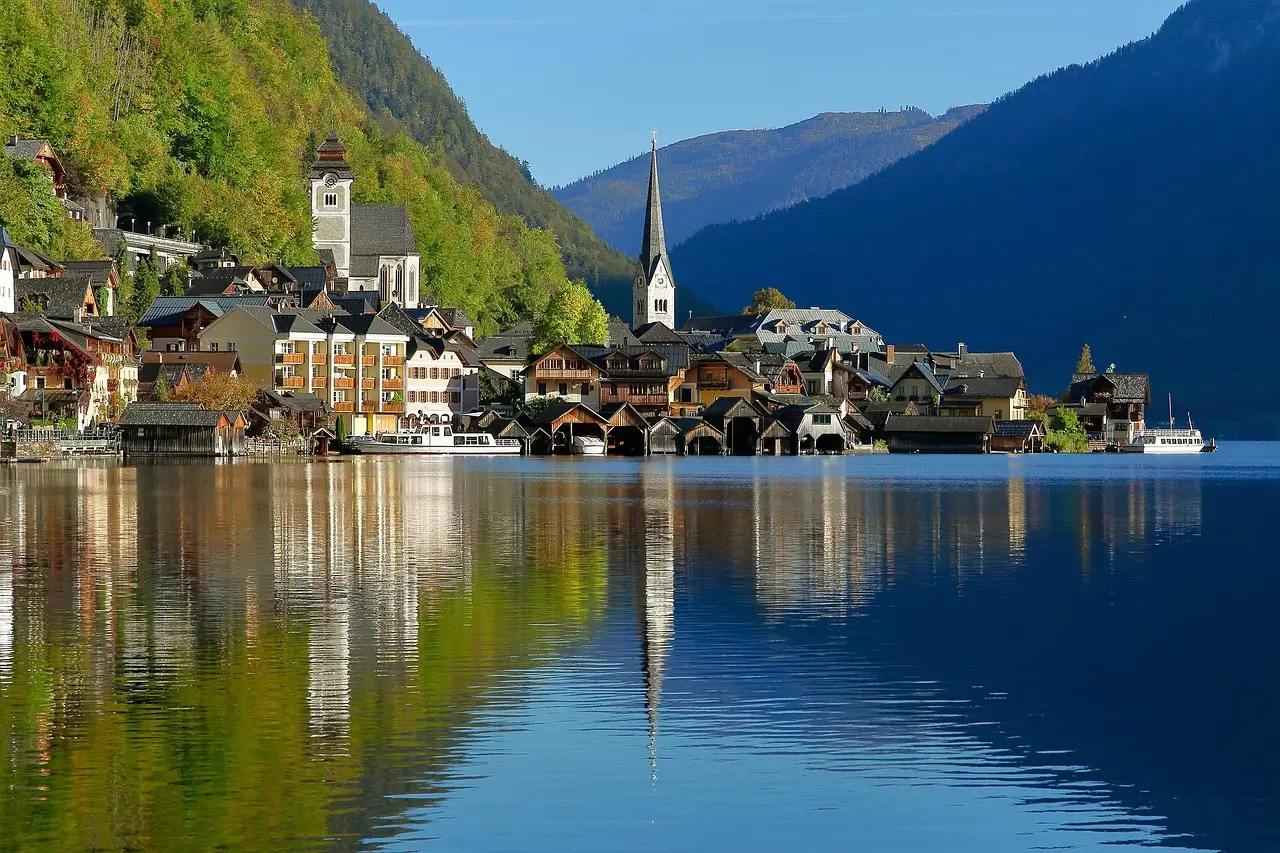
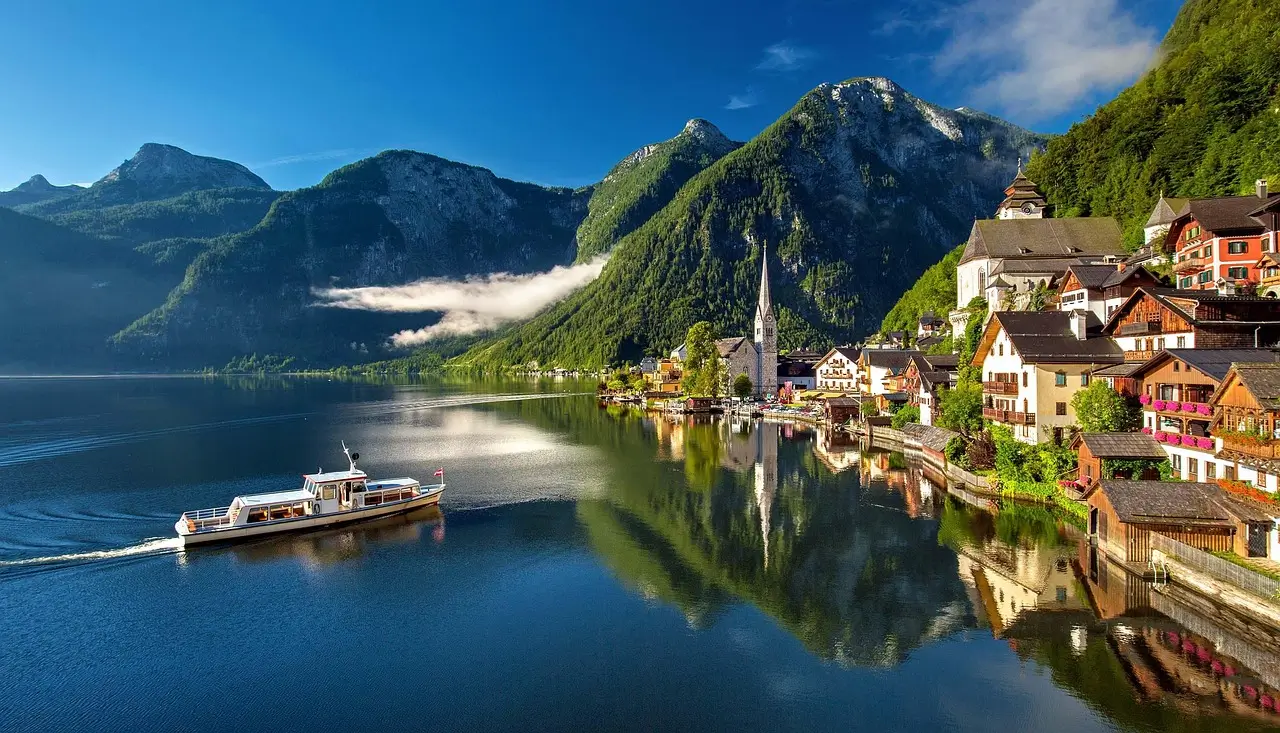
Hallstatt, Austria is often ranked among the most beautiful villages in the world, and once you arrive, it’s easy to understand why. Set between the calm waters of Lake Hallstatt and the towering Dachstein Alps, this small village feels timeless, peaceful, and almost unreal.
With fewer than 800 residents, Hallstatt welcomes travelers from across the globe. Its beauty goes beyond scenic views. The village holds more than 7,000 years of continuous human history, making it one of the oldest known settlements in Europe. For centuries, salt mining shaped daily life here and helped build early European civilizations.
This travel guide to Hallstatt, Austria offers clear, experience-based insights into its location, history, attractions, seasons, and responsible tourism — written in a simple, well-structured, and SEO-friendly format.
Where Is Hallstatt, Austria Located?
Hallstatt is located in Upper Austria (Oberösterreich), within the scenic Salzkammergut region. It sits directly on the western shore of Lake Hallstatt and is surrounded by steep mountain slopes.
Approximate distances:
75 km from Salzburg
290 km from Vienna
Surrounded by Lake Hallstatt and the Dachstein Alps
For centuries, the village remained isolated due to its geography. Until the late 1800s, Hallstatt could only be reached by boat or narrow mountain paths. This isolation helped preserve its traditional architecture and quiet village lifestyle.
Exploring Snoopy Island Fujairah : Snorkeling, Diving 2026
The Ancient History of Hallstatt, Austria
Human settlement in Hallstatt dates back to around 5000 BCE, when early communities discovered salt deep within the surrounding mountains. Salt was extremely valuable and often called “white gold,” as it was essential for food preservation and trade.
The Hallstatt Culture
Between 800 and 400 BCE, Hallstatt became the center of the Hallstatt Culture, an early Iron Age civilization that influenced much of Central Europe. Archaeologists discovered burial sites, tools, and jewelry that reveal how advanced this society was. Today, many of these artifacts are displayed in Austrian museums.
UNESCO World Heritage Status
In 1997, Hallstatt and the Dachstein Salzkammergut region were named a UNESCO World Heritage Site. This recognition highlights the area’s cultural importance, preserved landscape, and historical role in European development.
Top Things to Do in Hallstatt, Austria
1. Walk Through Hallstatt Old Town
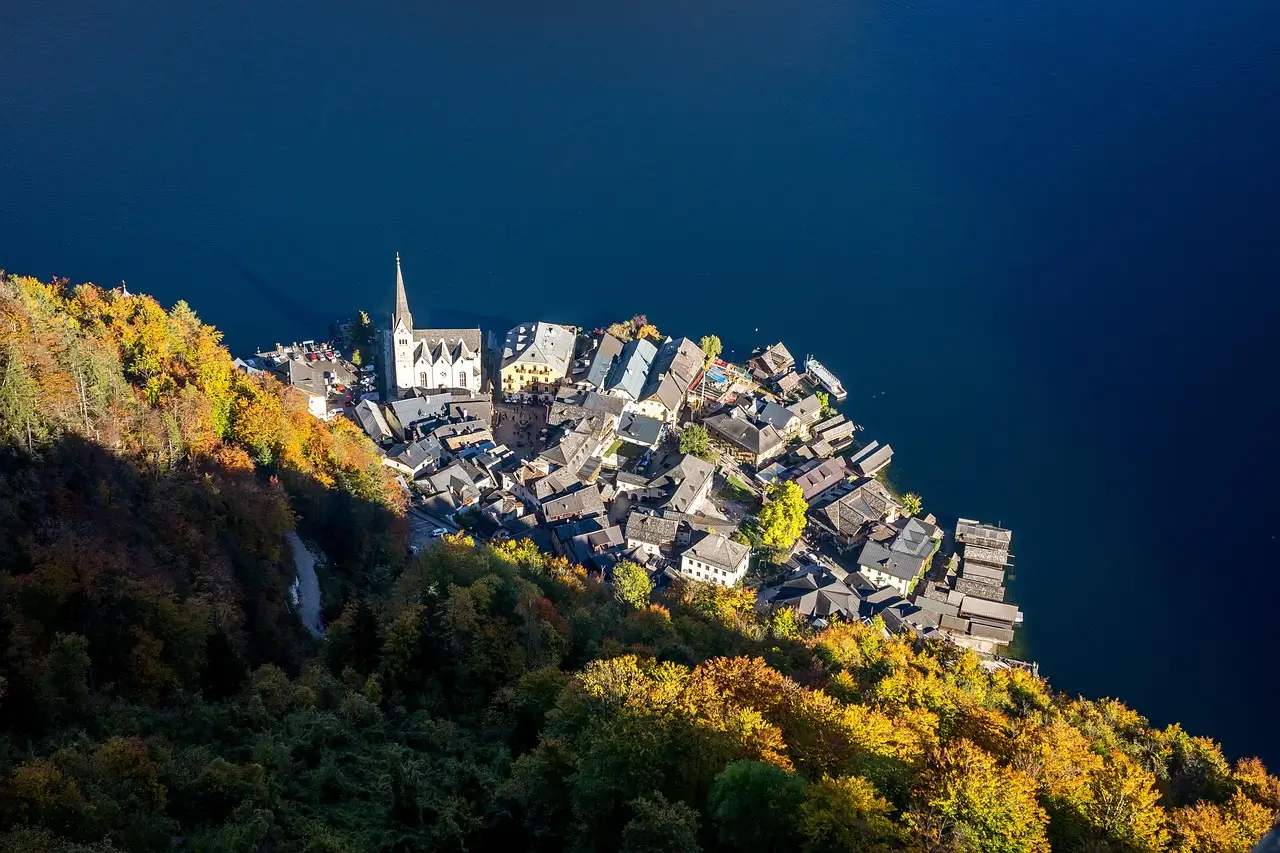
The Old Town centers around Market Square (Marktplatz), where colorful wooden houses, flower-filled balconies, and narrow streets create a postcard-perfect scene. The area is small and easy to explore on foot.
2. Visit the Hallstatt Salt Mine
The Salzwelten Hallstatt is the oldest salt mine in the world open to visitors. Inside, you can:
Slide down traditional wooden miners’ slides
Walk through ancient tunnels
Learn how salt shaped European trade
This experience is one of the highlights of visiting Hallstatt, Austria.
3. Hallstatt Skywalk – World Heritage View
Located 360 meters above the village, the Skywalk offers stunning views of:
Lake Hallstatt
The village rooftops
The Dachstein Alps
It is reached by a funicular railway and is ideal for photography.
4. The Bone House (Beinhaus)
Behind the Catholic church, the Bone House displays over 600 painted skulls. This tradition began due to limited burial space and reflects respect for family history and local customs.
Lake Hallstatt: A Peaceful Natural Wonder
Lake Hallstatt is a clear glacial lake known for its calm waters and mirror-like reflections. Popular activities include:
Electric boat rides
Kayaking and paddleboarding
Scenic ferry crossings
Lakeside walking paths
Early mornings and sunsets are the most peaceful and visually stunning times to enjoy the lake.
Chatroo Kishtwar – Complete Travel Guide to a Hidden Gem in Jammu and Kashmir
Best Time to Visit Hallstatt, Austria
Spring (April–June)
Flowers in bloom
Fewer tourists
Mild temperatures
Summer (July–August)
Warm weather
Long daylight hours
Peak tourist season
Autumn (September–October)
Golden fall colors
Crisp mountain air
Excellent photography conditions
Winter (December–February)
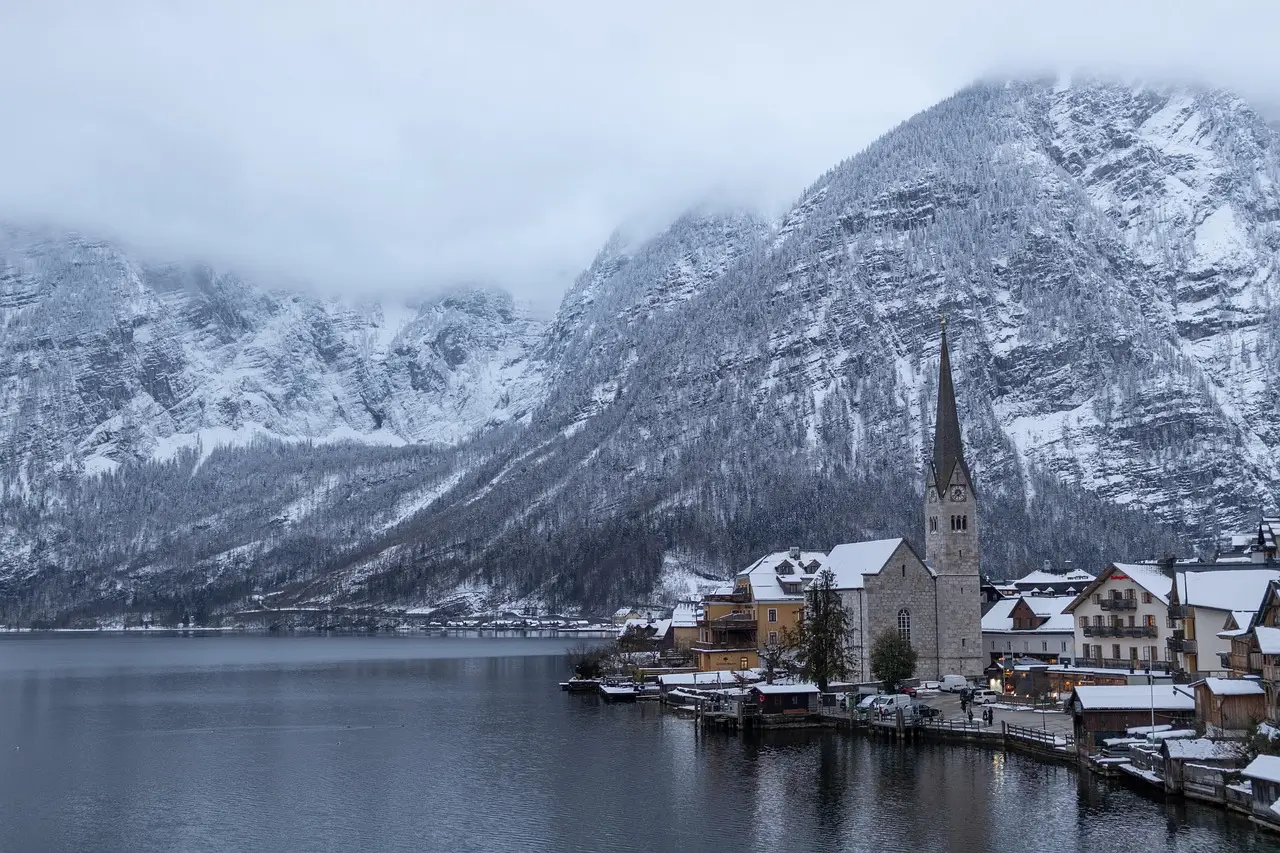
Snow-covered village
Christmas markets
Quiet and romantic atmosphere
Hallstatt, Austria is beautiful year-round, with each season offering a different experience.
How to Get to Hallstatt, Austria
By Train
Take a train to Hallstatt Station
Cross Lake Hallstatt by ferry to the village
By Car
Scenic alpine roads
Parking available outside the village
By Guided Tour
Day trips from Salzburg or Vienna
Best for travelers with limited time
Local Food and Austrian Cuisine in Hallstatt
Must-try dishes include:
Wiener Schnitzel
Kasnocken (cheese dumplings)
Fresh fish from the lake
Many lakeside restaurants combine traditional Austrian food with beautiful views.
Why Hallstatt Became World-Famous
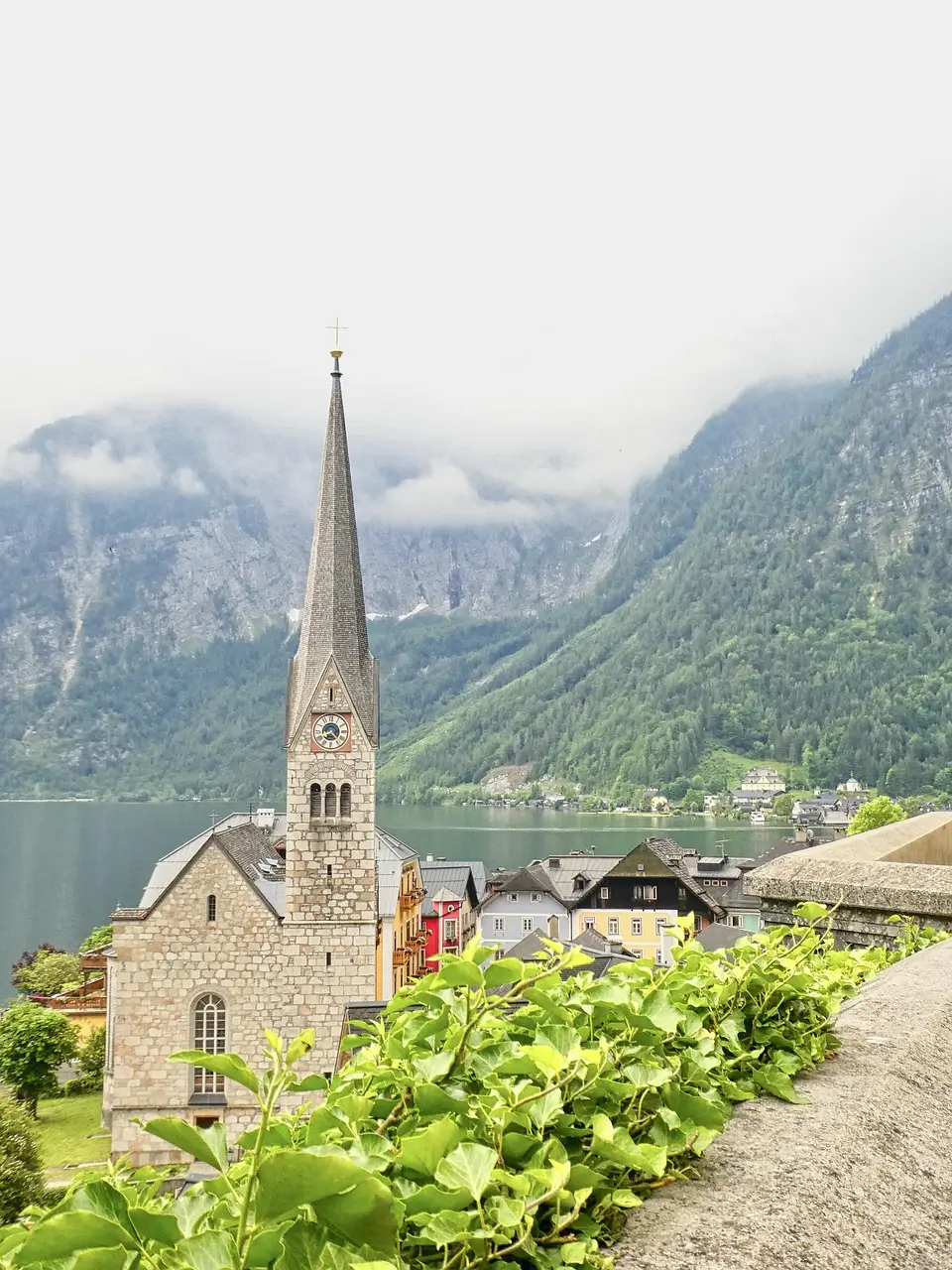
Hallstatt’s global popularity grew due to:
Social media and photography
Travel documentaries
Increased international tourism
A replica village built in China
Despite its fame, the village actively works to protect its heritage and community.
Sustainable Tourism in Hallstatt, Austria
To protect the village, local authorities encourage:
Overnight stays instead of short day visits
Respect for residents and private property
Limited tour bus access
Environmental preservation
Visitors are asked to travel responsibly and support local businesses.
Frequently Asked Questions (FAQs)
Is Hallstatt, Austria worth visiting?
Yes, Hallstatt, Austria is absolutely worth visiting. It offers a rare combination of Alpine scenery, a peaceful lakeside setting, and thousands of years of history. The village’s size makes it easy to explore, while its natural beauty and cultural heritage create a truly memorable experience.
How many days do you need in Hallstatt?
One full day is enough to see the main attractions, including the Old Town, salt mine, and Skywalk. However, staying for two days allows you to enjoy early mornings, quiet evenings, and nearby hiking trails without rushing.
Is Hallstatt expensive?
Hallstatt can be moderately expensive due to its popularity. Accommodation and dining prices are higher than in nearby towns, but budget-friendly guesthouses, bakeries, and neighboring villages offer more affordable options.
Can you swim in Lake Hallstatt?
Yes, swimming is possible during summer months. The water remains cool because it is a glacial lake, but designated swimming areas and lakeside access points make it safe and refreshing on warm days.
Is Hallstatt suitable for families?
Yes, Hallstatt is family-friendly. Children enjoy boat rides on the lake, cable car trips, museums, and gentle walking paths. The village is safe and easy to navigate with proper supervision.
Does Hallstatt get crowded?
Yes, Hallstatt can become crowded, especially between late morning and early afternoon. Early mornings, evenings, and overnight stays offer a much quieter and more enjoyable experience.
What is the best month to visit Hallstatt?
May, June, September, and October are considered the best months. These periods offer pleasant weather, fewer tourists, and beautiful natural scenery.
Is Hallstatt good for photography?
Absolutely. Hallstatt is one of Europe’s most photographed villages. Sunrise, sunset, and misty mornings provide the best lighting and reflections on Lake Hallstatt.
Can Hallstatt be visited as a day trip?
Yes, Hallstatt can be visited as a day trip from Salzburg or Vienna. However, day trips are often rushed. Staying overnight allows you to experience the village at its most peaceful times.
Do locals still live in Hallstatt?
Yes, Hallstatt is a living village with a local community. Residents continue traditional lifestyles while balancing tourism, which is why respectful behavior from visitors is strongly encouraged.
Is Hallstatt accessible in winter?
Yes, Hallstatt is accessible year-round. In winter, snowfall transforms the village into a quiet, magical destination, although some attractions may have limited hours.
What language is spoken in Hallstatt?
German is the main language, but English is widely spoken in hotels, restaurants, and tourist areas.
Conclusion: The Timeless Beauty of Hallstatt, Austria
Hallstatt, Austria is far more than a scenic stop on a travel itinerary. It is a place where history, nature, and everyday life exist in perfect harmony. Ancient salt mines tell stories of early civilizations, while the calm waters of Lake Hallstatt reflect centuries of tradition and change.
Whether you arrive for a few hours or stay for several days, the village leaves a lasting impression. Quiet mornings, dramatic mountain views, and preserved cultural heritage create moments that feel both peaceful and meaningful.
For travelers seeking beauty, authenticity, and a connection to Europe’s past, Hallstatt, Austria remains a timeless destination that continues to inspire visitors from around the world.