Japan is not just a destination; it is an experience shaped by time, tradition, innovation, and resilience. From neon-lit megacities to silent Zen gardens, from snow-covered villages to tropical beaches, Japan rewards travelers who seek both excitement and meaning. This japan travel guide is carefully researched and reality-based-so you know exactly what to expect, why each place matters, and how to experience it well.
Whether you are planning your first trip or returning to explore deeper layers of the country, this guide covers the most important places to visit in Japan, with verified facts, cultural context, and practical travel insight.
Every great trip begins with the right information. In our “Know Your Destination” section, we explore important travel insights, local culture, safety tips, best seasons to visit, and practical advice to help you plan smarter and travel confidently.
Why Japan Continues to Captivate the World
Japan stands at a rare crossroads. It is one of the world’s most technologically advanced nations, yet deeply protective of traditions that are centuries old. Bullet trains run with second-level punctuality, while tea ceremonies follow rituals unchanged for generations. This balance—between speed and stillness—is what makes Japan endlessly fascinating.
Tourism in Japan has steadily evolved, with authorities focusing on sustainability, crowd management, and regional tourism beyond major cities. As a result, travelers in 2026 can expect smoother infrastructure, better multilingual support, and more responsible tourism policies.
Tokyo — Japan’s Vibrant Capital
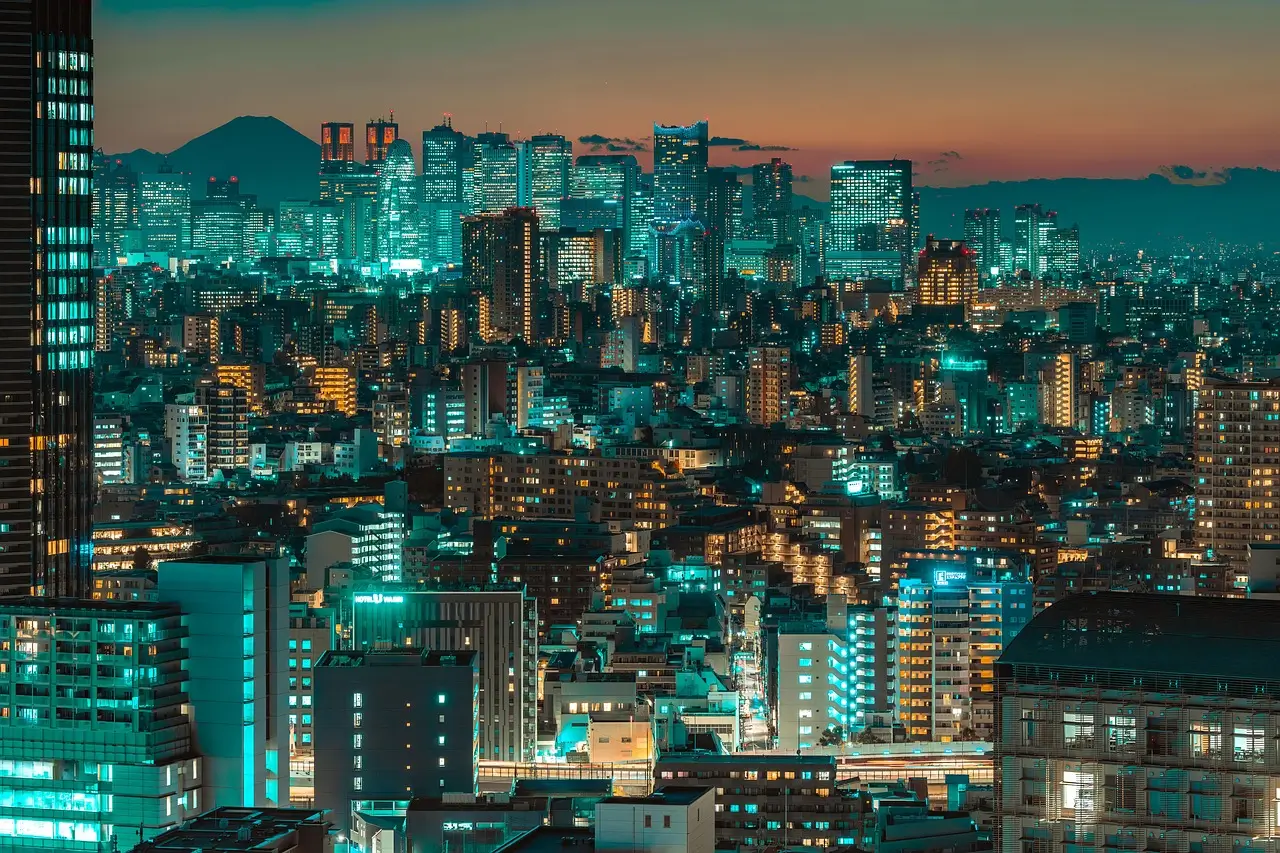
No japan travel guide is complete without Tokyo. Home to more than 37 million people in its metropolitan area, Tokyo is the political, economic, and cultural heart of the country.
What makes Tokyo exceptional is not just its size—but its contrasts.
Shibuya Crossing
Often described as the world’s busiest pedestrian crossing, Shibuya is a living symbol of modern urban Japan. Thousands cross at once, yet order prevails. It’s chaos without disorder.
Asakusa & Senso-ji Temple
Tokyo’s oldest Buddhist temple, Senso-ji, dates back to the 7th century. The surrounding streets preserve Edo-era charm through traditional snacks, souvenirs, and architecture.
Tokyo Tower & Tokyo Skytree
Tokyo Tower represents post-war recovery and optimism.
Tokyo Skytree, at 634 meters, is Japan’s tallest structure and offers sweeping views—sometimes even Mount Fuji on clear days.
Akihabara
Globally known as the epicenter of anime, manga, gaming, and electronics, Akihabara reflects Japan’s pop culture and digital creativity.
Food, Shopping & Nightlife
Ginza: luxury shopping and flagship stores
Harajuku: youth fashion and street culture
Shinjuku: skyscrapers, nightlife, and entertainment districts
Tokyo does not ask you to choose between old and new—it offers both, side by side.
Kyoto — The Cultural Soul of Japan
If Tokyo is Japan’s engine, Kyoto is its memory.
Once the imperial capital for over 1,000 years, Kyoto remains the spiritual and aesthetic center of the nation. The city is home to 17 UNESCO World Heritage Sites, making it essential for anyone interested in classical Japanese culture.
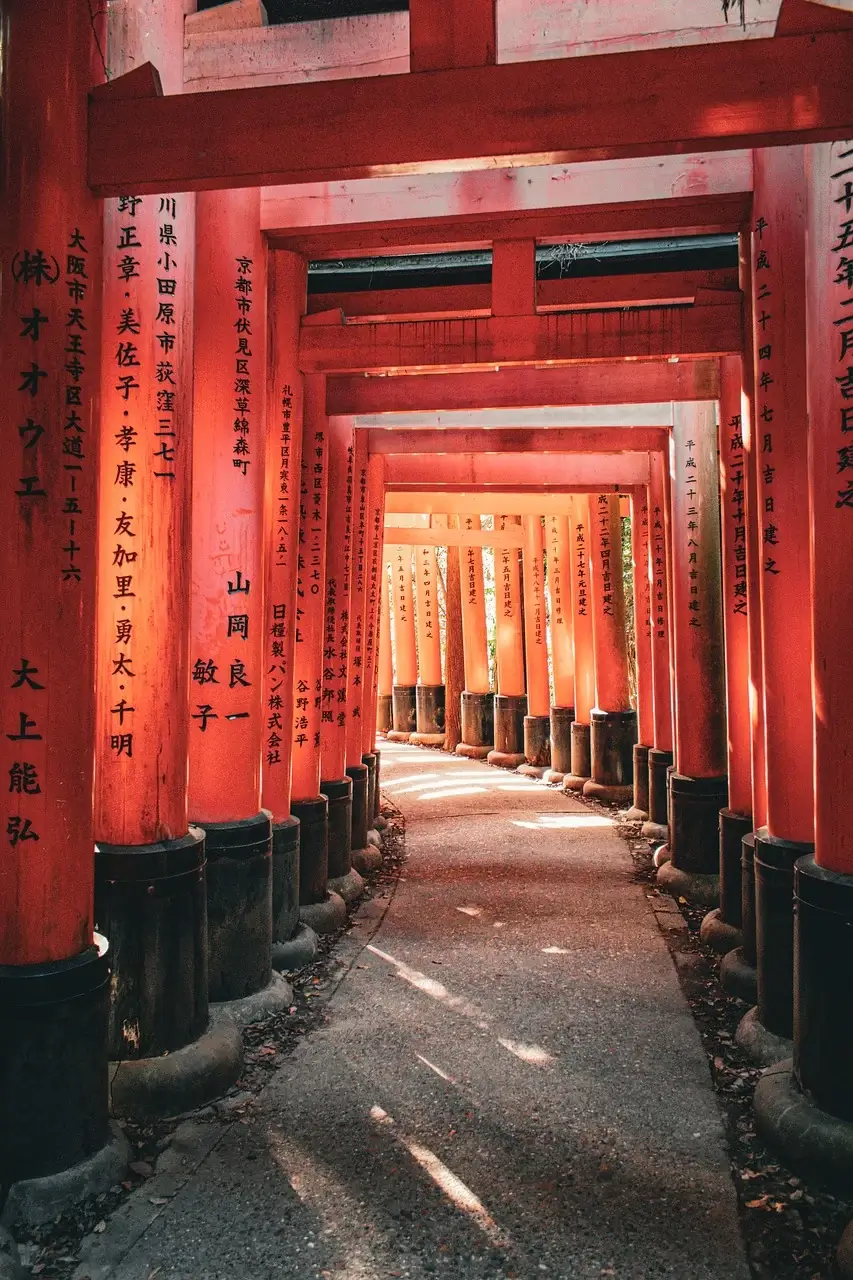
Fushimi Inari Taisha
Famous for its thousands of vermilion torii gates, this Shinto shrine is dedicated to Inari, the deity of prosperity and agriculture. The gates form trails up a wooded mountain—free to enter, deeply symbolic, and unforgettable.
Kinkaku-ji (Golden Pavilion)
A Zen temple covered in gold leaf, Kinkaku-ji reflects perfectly in its surrounding pond. It is one of the most photographed landmarks in Japan—and for good reason.
Gion District
Kyoto’s historic geisha district preserves traditional wooden townhouses, tea houses, and seasonal performances. Sightings of geiko and maiko still occur, though respect and etiquette are strictly enforced.
Kyoto teaches visitors how Japan sees beauty: subtle, seasonal, and intentional.
Mount Fuji & the Fuji Five Lakes Region
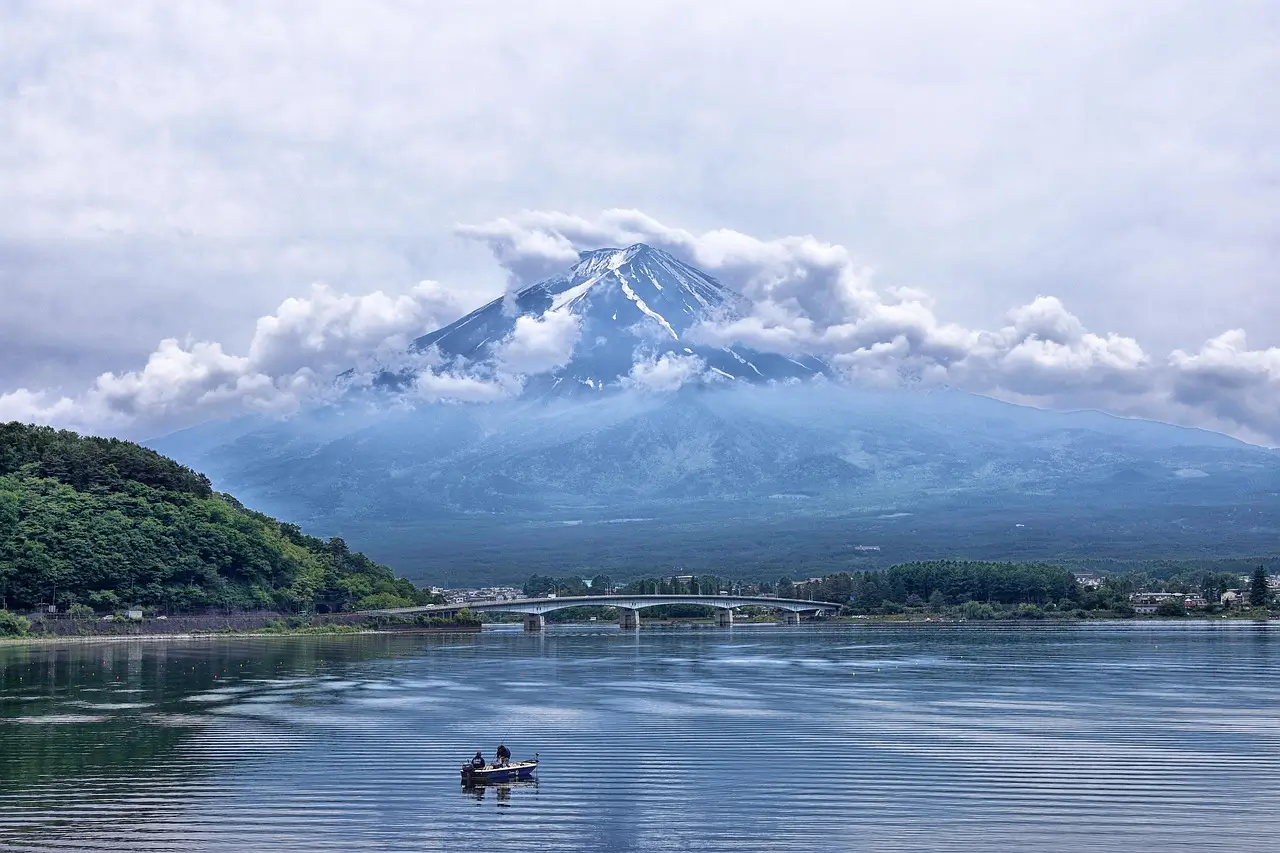
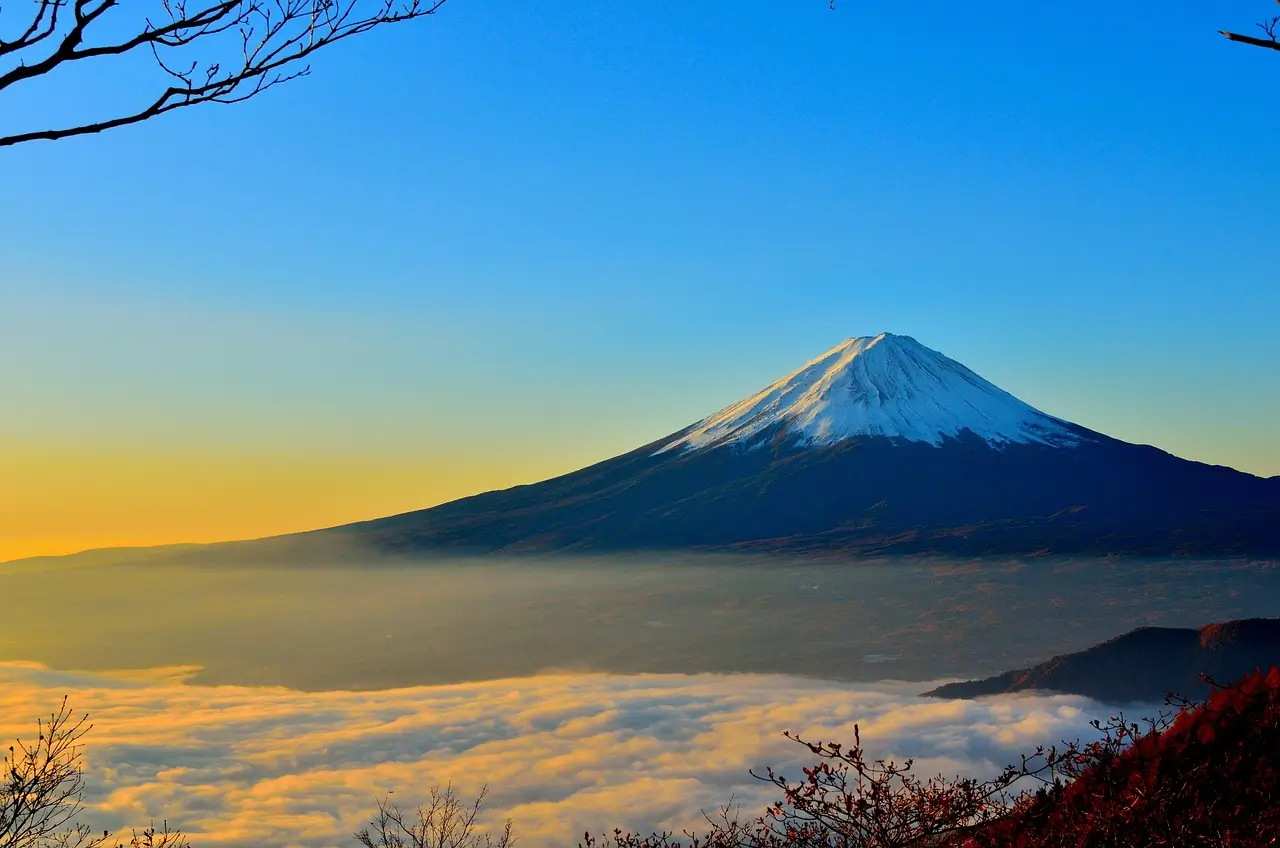
At 3,776 meters, Mount Fuji is Japan’s highest peak and spiritual icon. Recognized as a UNESCO World Heritage Site, it is as symbolic as it is scenic.
Hiking & Viewing
Official climbing season: July to September
Trails are regulated for safety and conservation
Lake Kawaguchi & Fuji Five Lakes
These lakes offer some of the clearest reflections of Mount Fuji, especially at sunrise. Seasonal flowers, walking paths, and museums make the area ideal even for non-hikers.
Onsen with Fuji Views
Nearby hot spring towns allow travelers to relax while gazing at the mountain—a quintessential Japanese experience.
Important clarification: There is no permanent festival ban at Arakurayama Sengen Shrine. Crowd-control measures exist due to overtourism, but the site remains open.
Osaka — Japan’s Food & Fun Capital
Often described as Japan’s most friendly and easygoing city, Osaka stands out for its humor, warmth, and deep love for food. Unlike the polished formality of Tokyo or the quiet elegance of Kyoto, Osaka feels lively, direct, and welcoming. Locals are known for their expressive personalities and playful attitude toward life, which gives the city a relaxed, human feel. It is no surprise that Osaka proudly carries the nickname “Japan’s Kitchen.”
Dotonbori
The beating heart of Osaka’s nightlife, Dotonbori is instantly recognizable by its glowing neon signs, giant animated billboards, and constant energy. This canal-side district is a paradise for street-food lovers. Signature dishes like takoyaki (octopus balls) and okonomiyaki (savory pancakes) are cooked fresh in front of you, reflecting Osaka’s strong street-food culture. After sunset, Dotonbori becomes one of the most photographed places in Japan.
Osaka Castle
Osaka Castle is a powerful symbol of Japan’s unification during the 16th century. Surrounded by spacious gardens, moats, and stone walls, the castle grounds are especially popular during cherry blossom season. Inside, the museum offers historical insight into samurai culture and the life of Toyotomi Hideyoshi.
Universal Studios Japan
One of Asia’s most visited theme parks, Universal Studios Japan attracts visitors from around the world. Highlights include Super Nintendo World and The Wizarding World of Harry Potter, combining cutting-edge attractions with immersive storytelling.
Osaka proves that Japanese culture can be both serious and joyful—deeply rooted in history, yet full of flavor, laughter, and life.
Hiroshima — Memory, Peace, and Resilience
Top Things to Do & Experiences in Japan
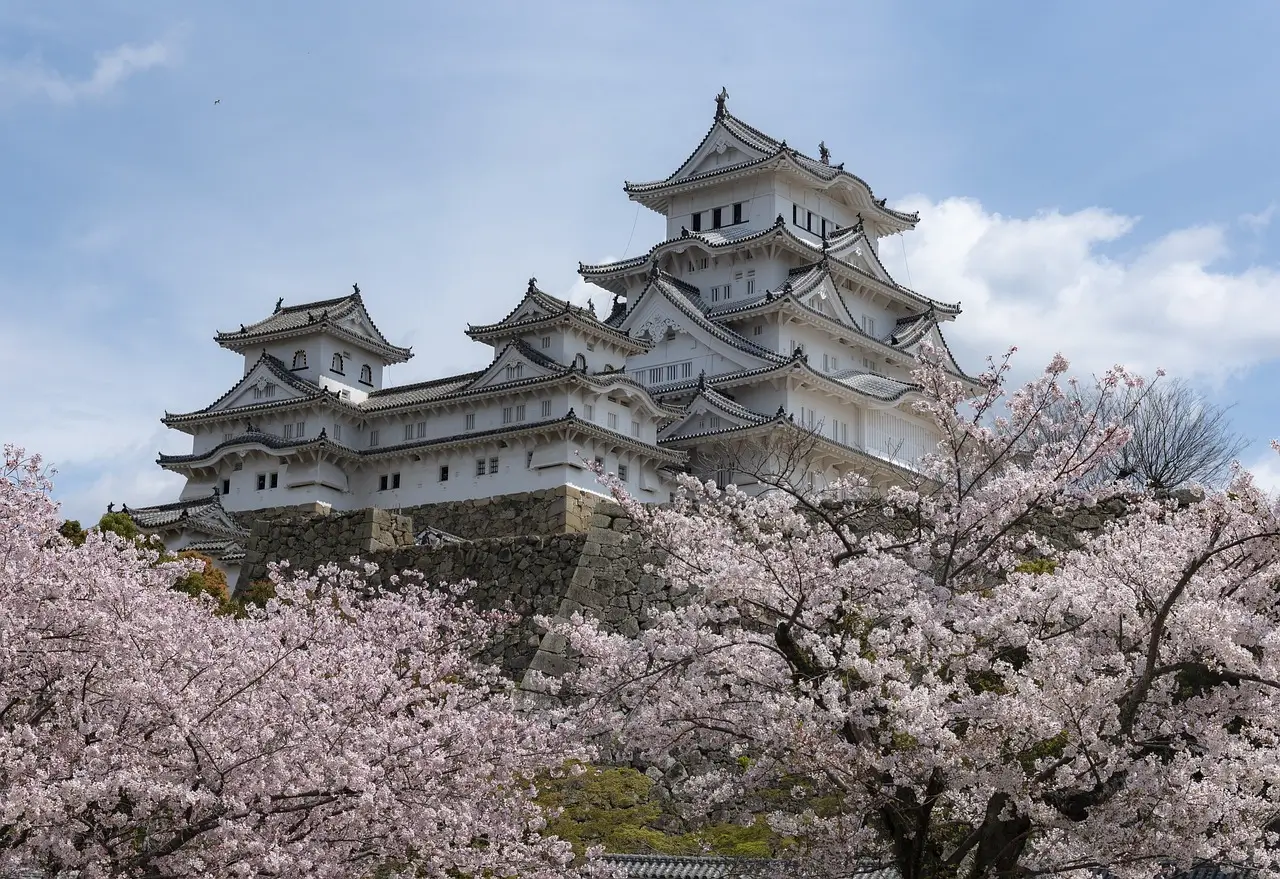
Cherry Blossom Viewing (Hanami) – Late March to April
Traditional Tea Ceremony – Rooted in Zen philosophy
Onsen (Hot Springs) – Etiquette-focused relaxation
Kimono or Yukata Experience – Especially in Kyoto and Asakusa
Japanese Cuisine – Recognized by UNESCO as Intangible Cultural Heritage
Shinkansen (Bullet Train) – Speed, safety, and precision
Stay in a Ryokan – Tatami rooms, futon beds, seasonal meals
Famous Japanese Festivals
Cherry Blossom Festivals (Nationwide, Spring)
Sapporo Snow Festival (February, Hokkaido)
Gion Matsuri (July, Kyoto)
Awa Odori (August, Tokushima)
Nebuta Festival (August, Aomori)
Q1. What is the best time to visit Japan?
Spring (March–April) and Autumn (October–November) offer the best weather and scenery.
Q2. Is Japan expensive for tourists?
Costs vary. Transport and accommodation can be managed well with planning.
Q3. Is Japan safe for solo travelers?
Yes. Japan is among the safest countries in the world.
Q4. Do I need to speak Japanese to travel?
No. Major cities offer strong English support.
Q5. What are the most popular places to visit in Japan?
Tokyo, Kyoto, Osaka, Hiroshima, and Mount Fuji.
Q6. Why is Japan a preferred travel destination?
Because of its culture, food, safety, efficiency, and deep sense of identity.
Conclusion
Japan is not a place you simply visit—it is a country you experience, absorb, and remember. From the futuristic streets of Tokyo to the quiet temples of Kyoto, from Mount Fuji’s calm presence to Hiroshima’s message of peace, Japan offers lessons as much as landscapes.
This japan travel guide is designed to help you travel with understanding, respect, and confidence. Plan well, travel thoughtfully, and Japan will reward you more than you expect.