Fogo Island is one of Canada’s most remote and culturally preserved coastal destinations. Located off the northeast coast of Newfoundland and Labrador, it offers iceberg viewing, whale watching, hiking trails, and historic fishing communities.
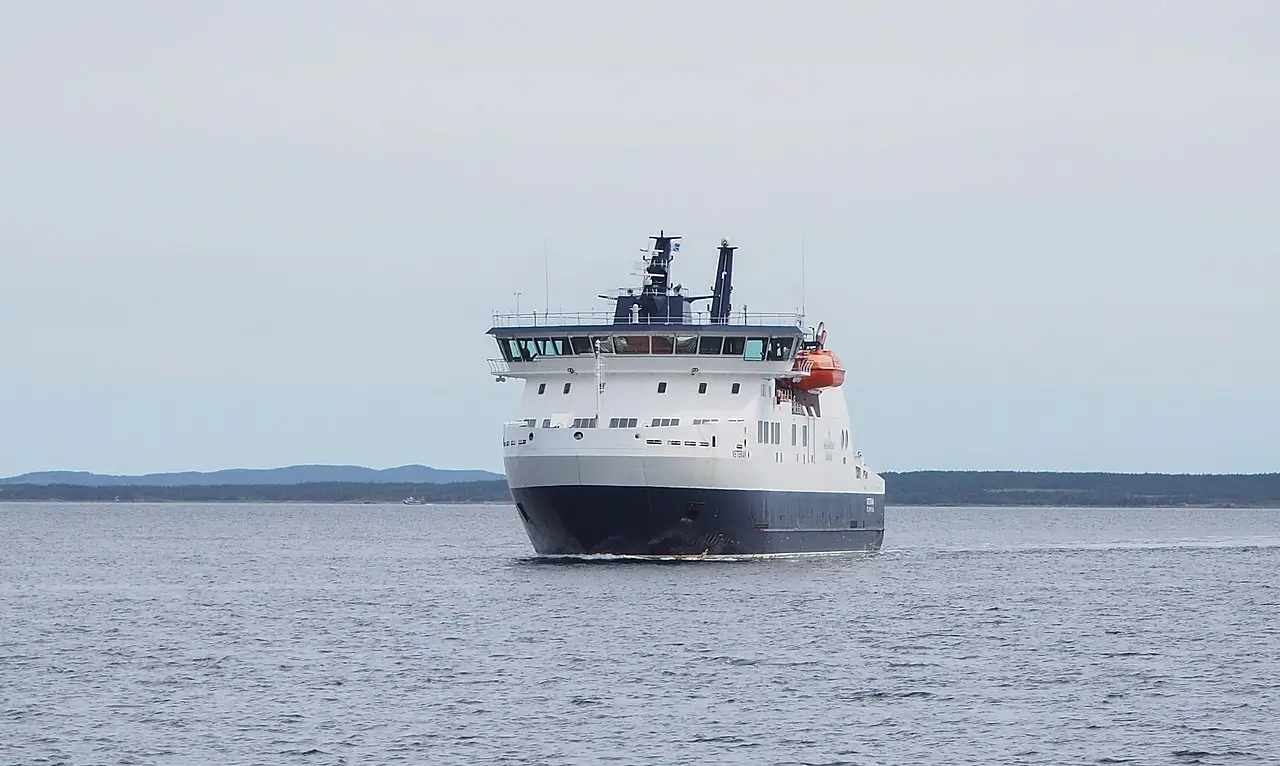
The island has a population of approximately 2,000 residents and is part of traditional Newfoundland outport communities. If you want to know how to reach Fogo Island, it is accessible by a 45-minute ferry from Farewell, Newfoundland, and attracts travelers seeking quiet coastal landscapes and slow tourism experiences.
Where Is Fogo Island Located?
Fogo Island is located off the northeast coast of Newfoundland in the province of Newfoundland and Labrador, Canada.
It lies along the North Atlantic Ocean and forms part of Notre Dame Bay. The island is situated within the well-known “Iceberg Alley” migration route, where Arctic icebergs drift south each spring.
Geographic Details
Province: Newfoundland and Labrador
Region: Notre Dame Bay
Nearest Airport Hub: Gander International Airport
Ferry Departure Point: Farewell
Ferry Duration: Approximately 45 minutes
The island is connected to mainland Newfoundland by regular ferry service operated from Farewell. Travelers typically fly into Gander and drive to the ferry terminal.
If you are exploring remote coastal destinations like Fogo Island, you can discover more diverse experiences in our complete guide section : Know Your Destination
About Fogo Island
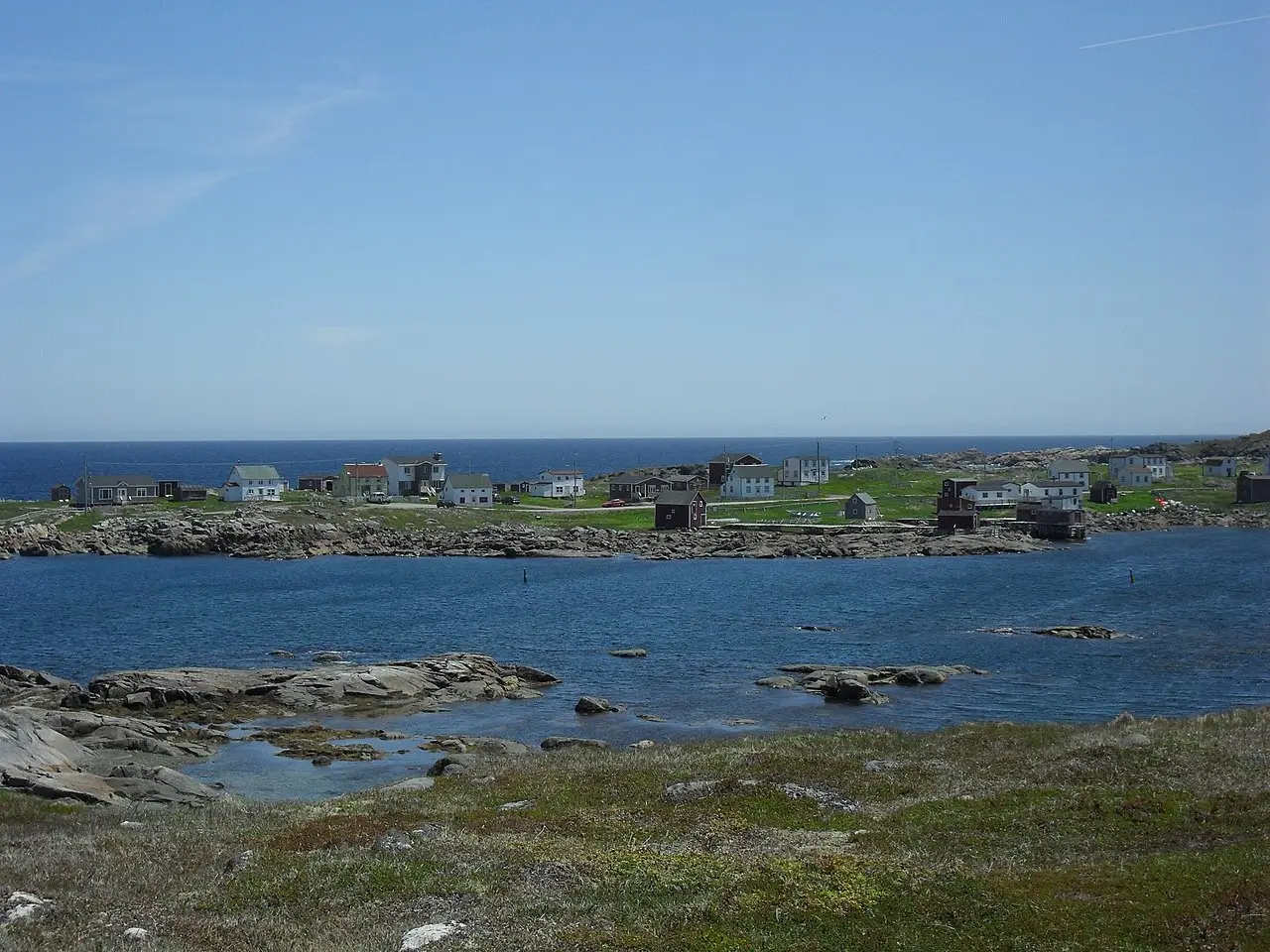
Fogo Island consists of several small communities known as outports. These settlements developed around the fishing industry and retain traditional wooden architecture.
The island’s economy historically depended on cod fishing. Following the cod moratorium in 1992, the region shifted toward tourism, arts, and sustainable community initiatives.
Key communities include:
Fogo
Joe Batt’s Arm
Tilting
Seldom
Change Islands (nearby)
The island remains one of Canada’s least densely populated coastal regions.
Why Fogo Island Is Considered Underrated
Fogo Island receives significantly fewer visitors compared to destinations such as Banff or Niagara Falls.
Its remote location limits mass tourism, preserving its natural and cultural environment. Visitors experience low crowd density, open landscapes, and small-scale community tourism.
Search demand for terms like “hidden islands in Canada” and “offbeat places in Newfoundland” continues to grow, positioning Fogo Island as an emerging travel destination.
Iceberg Alley and Seasonal Iceberg Viewing
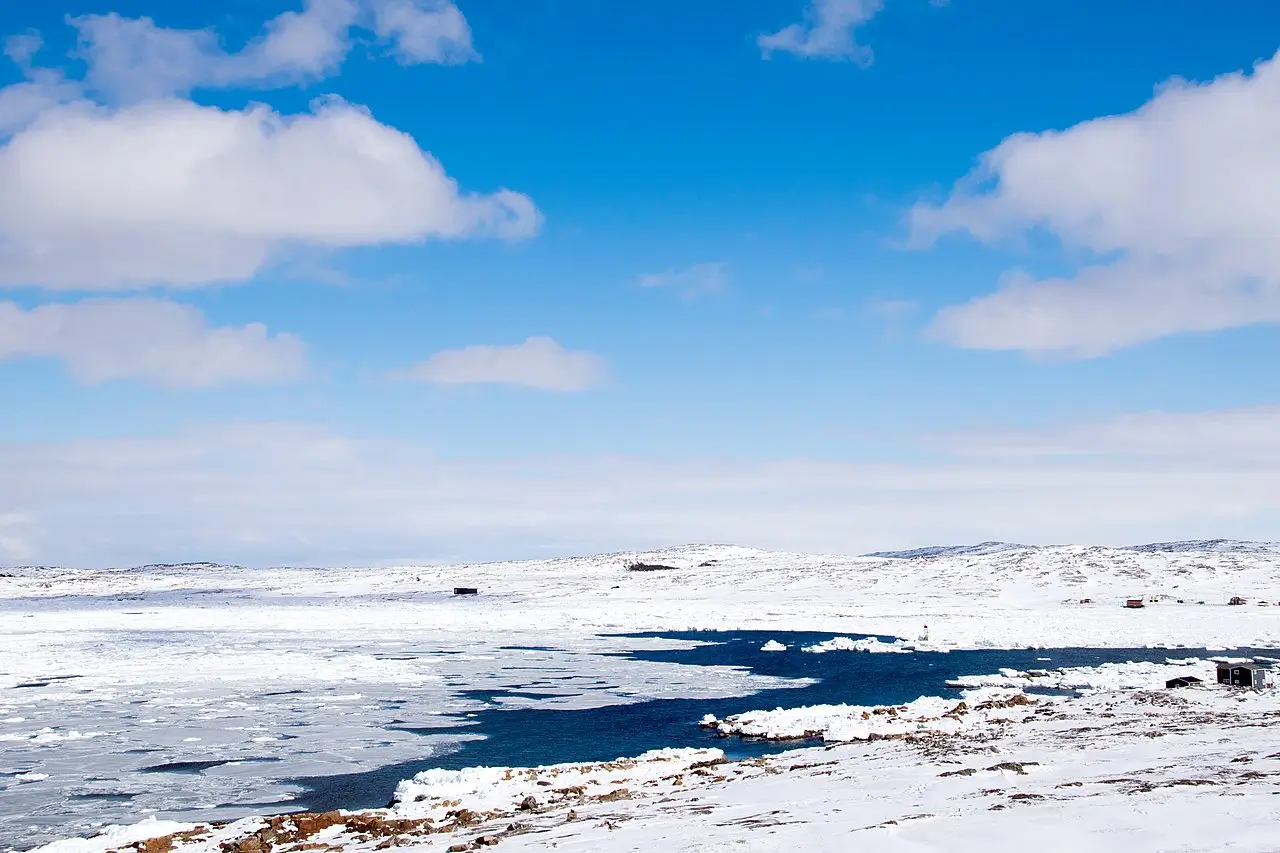
Fogo Island sits directly along Iceberg Alley, a well-documented North Atlantic iceberg route.
Between May and June, icebergs calved from Greenland glaciers drift past Newfoundland’s coastline. These icebergs vary in size and shape and are visible from multiple points on the island.
Best Months for Icebergs
Late May
Early June
Iceberg viewing has become one of the island’s strongest seasonal tourism drivers.
Whale Watching Opportunities
Whale watching occurs between June and August.
Commonly sighted species include:
Humpback whales
Minke whales
Fin whales
Boat tours operate seasonally from local communities. The North Atlantic feeding grounds support marine biodiversity during summer months.
Brimstone Head: One of the “Four Corners of the Earth”
Brimstone Head is a coastal rock formation located near the town of Fogo.
Historically, the Flat Earth Society once referred to it as one of the “Four Corners of the Earth” due to its extreme eastern location.
The hiking trail is short and accessible, offering elevated views of the Atlantic coastline.
Tilting Village and Irish Heritage
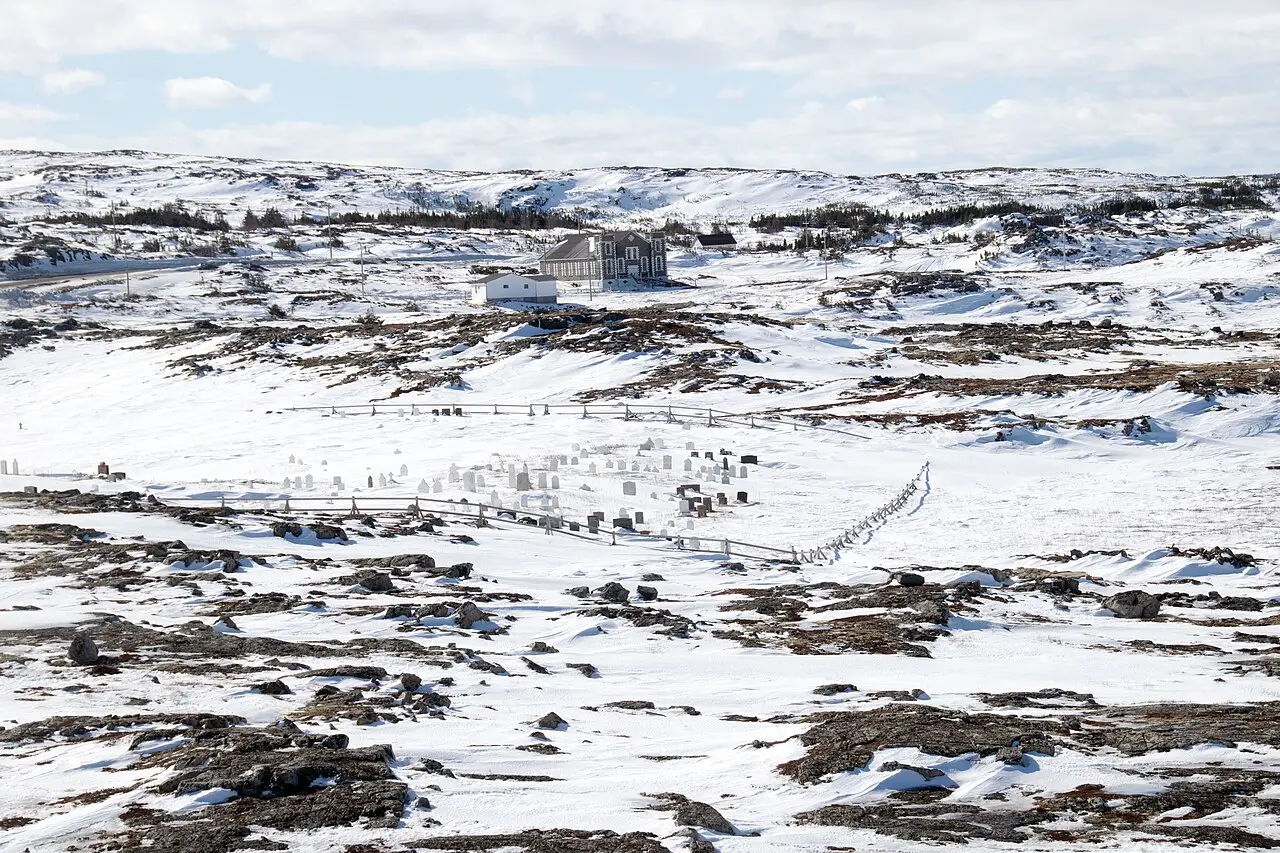
Tilting is recognized for its preserved Irish-Newfoundland cultural heritage.
The community maintains traditional fishing stages, root cellars, and wooden homes. Irish surnames and architectural styles remain prominent.
Tilting has been designated a National Historic Site of Canada due to its cultural importance.
Fogo Island Inn: Architecture and Sustainability
Fogo Island is home to the internationally recognized Fogo Island Inn.
The hotel is built on stilts over exposed rock along the coastline. It was designed to blend modern architecture with traditional outport building methods.
Key Facts About Fogo Island Inn
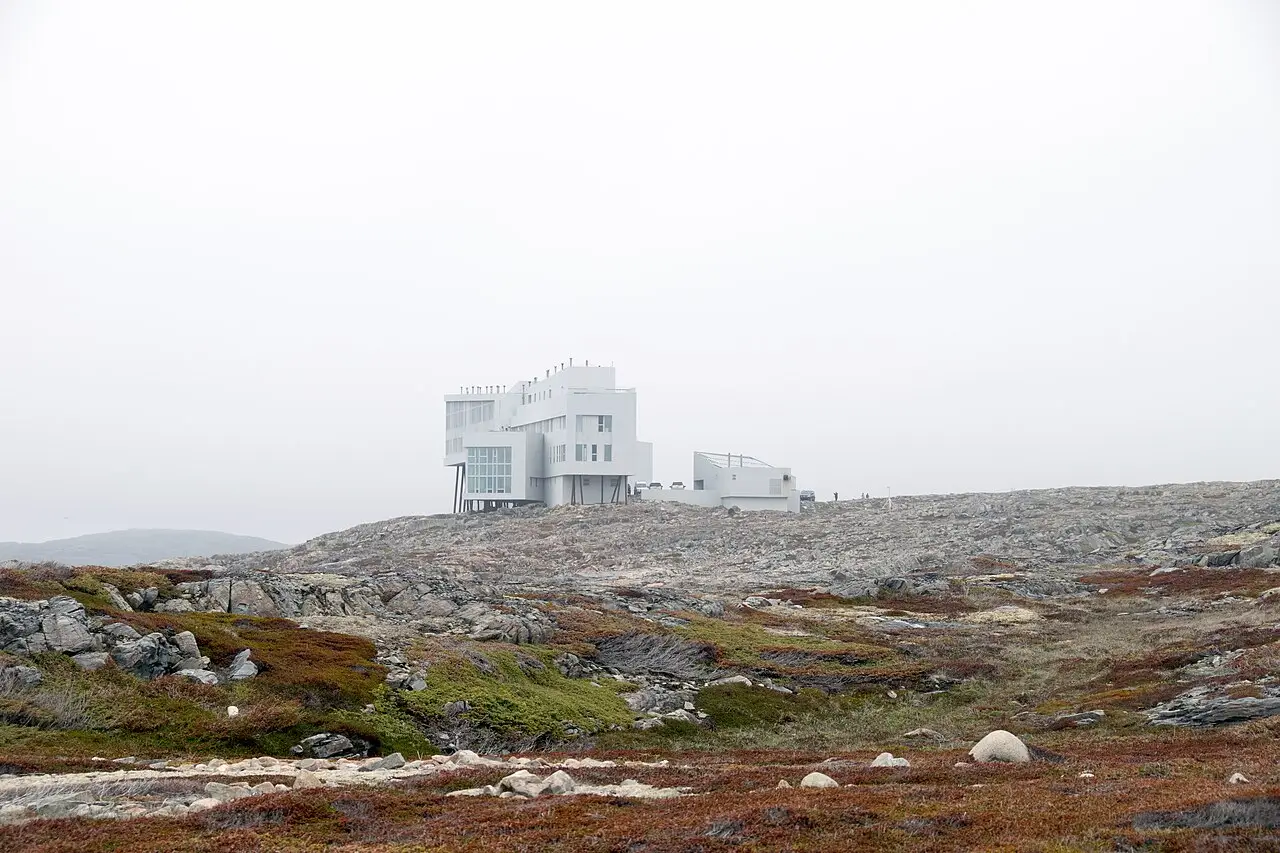
Opened in 2013
Operates under a social enterprise model
Profits reinvested into the local community
Focus on sustainability and local sourcing
The inn has received global architectural and tourism recognition.
Art, Culture, and Community-Based Tourism
Fogo Island supports artist residency programs and community studios.
The Fogo Island Arts program attracts international artists to collaborate with local communities. Studios are strategically placed across the island’s landscape.
Tourism initiatives focus on preserving local skills such as boat building, quilting, and woodworking.
Top Things to Do on Fogo Island
1. Hike Coastal Trails
Marked trails connect cliffs, barrens, and fishing villages.
2. Photograph Icebergs
Peak iceberg season runs from May to June.
3. Whale Watching Tours
Available June through August.
4. Explore Local Studios
Visitors can tour artist studios and craft workshops.
5. Visit Historic Fishing Stages
Traditional wooden fishing platforms remain visible in several communities.
Best Time to Visit Fogo Island
| Season | Reason to Visit |
|---|---|
| May–June | Iceberg season |
| July–September | Whale watching and hiking |
| Winter | Limited access, extreme quiet conditions |
Summer offers the most accessible travel conditions.
How to Reach Fogo Island
Step 1: Fly to Gander International Airport.
Step 2: Drive approximately one hour to Farewell ferry terminal.
Step 3: Take a 45-minute ferry crossing to Fogo Island.
Advance ferry reservations are recommended during peak season.
Climate and Weather Overview
Fogo Island has a cool maritime climate.
Summer temperatures: 10°C to 20°C
Winter temperatures: Often below freezing
Frequent coastal winds
Weather conditions can change quickly due to Atlantic exposure.
Population and Community Life
The island’s population is approximately 2,000 residents.
Communities are small and interconnected. Fishing, tourism, and arts initiatives form the local economy.
Public services include schools, healthcare clinics, and community centers.
Who Should Visit Fogo Island
Fogo Island appeals to:
Slow travelers
Cultural researchers
Landscape photographers
Luxury travelers
Couples seeking quiet coastal destinations
It is less suited for nightlife tourism or urban entertainment seekers.
Fogo Island Travel Tips
Book ferry tickets in advance during summer.
Reserve accommodations early.
Bring layered clothing.
Check iceberg reports before travel.
Respect local community guidelines.
Frequently Asked Questions (FAQs)
1. Is Fogo Island part of Newfoundland?
Yes. Fogo Island is part of the province of Newfoundland and Labrador in Canada.
2. How long is the ferry ride to Fogo Island?
The ferry from Farewell takes approximately 45 minutes.
3. When is iceberg season on Fogo Island?
Iceberg season typically runs from May to June.
4. Can you see whales on Fogo Island?
Yes. Whale watching is common between June and August.
5. What is Fogo Island known for?
It is known for Iceberg Alley, fishing villages, coastal cliffs, and the Fogo Island Inn.
6. Is Fogo Island suitable for family travel?
Yes, but services are limited. Families should plan logistics in advance.
Conclusion: Why Fogo Island Stands Out
Fogo Island remains one of Canada’s most geographically distinct and culturally preserved coastal destinations.
Its location along Iceberg Alley, combined with traditional outport communities and sustainable tourism initiatives, creates a unique travel offering.
The island’s controlled development, limited population, and environmental protection efforts support long-term preservation.
Travelers seeking remote coastal destinations in Canada will find Fogo Island aligned with growing trends in slow travel and cultural tourism.