
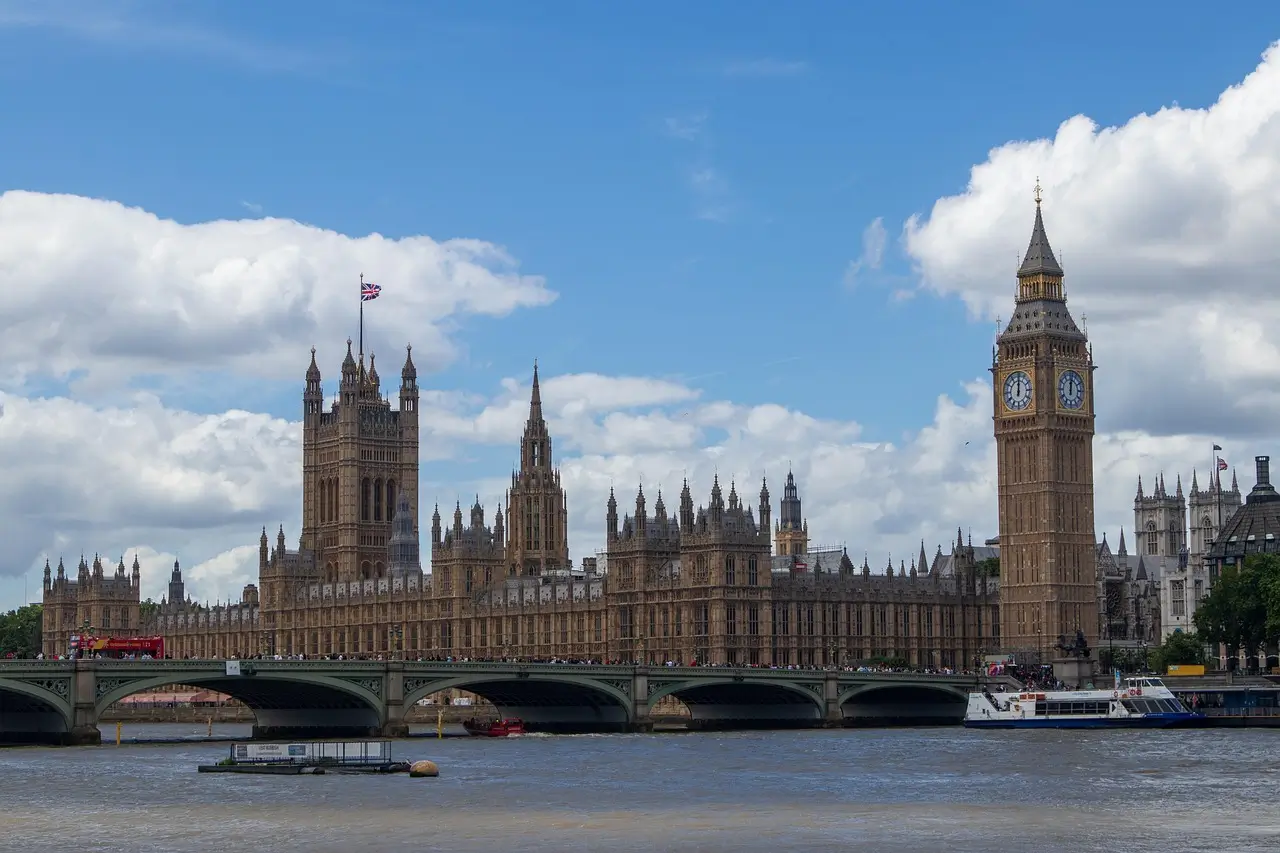
London is not just a city—it is a living archive of history, culture, power, and modern life flowing together. From royal palaces and medieval bridges to buzzing markets and global food streets, London offers something rare: depth with diversity. This London travel guide for first time visitors is written to help you understand the city clearly, realistically, and confidently—whether you are planning your first international trip or your first visit to the UK.
This is not a rushed checklist. It is a thoughtful, step-by-step guide that takes you from planning to arrival, exploration, budgeting, safety, and finally, memories worth keeping.
Why London Is the World’s Top Tourist City
London consistently ranks among the world’s most visited cities—and for good reason. It is one of the few global cities where history, governance, art, finance, fashion, and daily life coexist without losing balance.
London has:
Over 2,000 years of recorded history
World-class museums (many free)
Cultural diversity from every continent
One of the safest and most organized transport systems
A strong English-speaking environment for international travelers
For first-time visitors, London feels familiar yet exciting—structured but full of surprises.
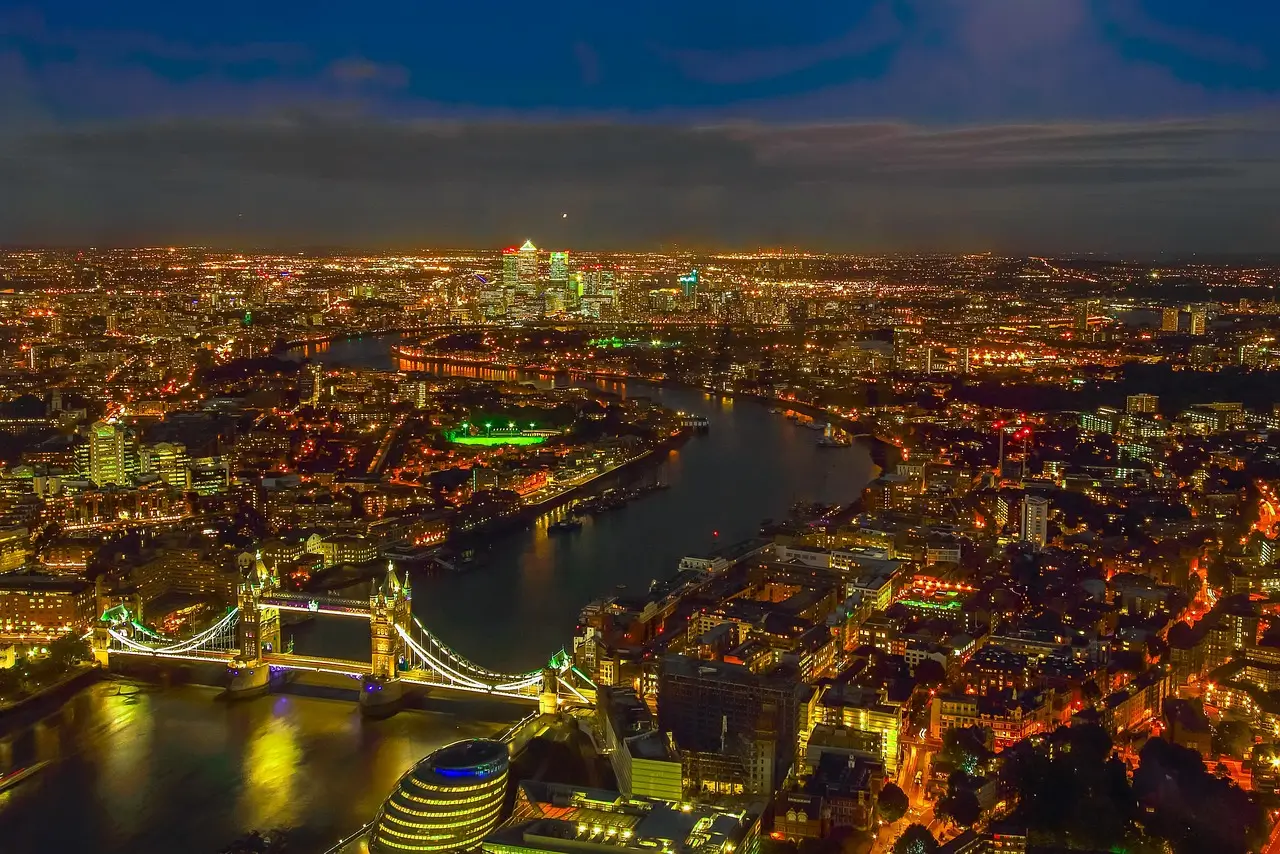
Best Time to Visit London: Weather, Seasons & Festivals
London experiences four clear seasons, each offering a different travel experience.
Spring (March–May)
Mild weather, blooming parks
Ideal for walking tours and sightseeing
Fewer crowds than summer
Summer (June–August)
Warmest months, long daylight hours
Peak tourist season
Outdoor festivals and royal events
Autumn (September–November)
Pleasant weather, golden parks
Lower hotel prices after September
Great for photography
Winter (December–February)
Cold but festive
Christmas markets and New Year celebrations
Short daylight hours
Best time to visit London for first-time travelers is May–June or September, balancing weather and crowds.
UK Tourist Visa Process for Visiting London
Most travelers who are not citizens of the United Kingdom need to apply for a Standard UK Visitor Visa if they plan to visit London for tourism purposes. This visa allows short stays for sightseeing, holidays, and personal travel.
The application process begins online through the official UK visa website, where you must carefully fill out the application form with accurate personal and travel details. After completing the form, you will be asked to book an appointment at a visa application center to submit your documents and provide biometric information (fingerprints and a photograph).
Required Documents for UK Tourist Visa
Applicants must submit the following important documents while applying for a UK Tourist Visa:
Valid Passport – The passport should be current and valid for the entire duration of your trip.
Travel Itinerary – A clear plan of your travel, including intended dates and places you plan to visit in the UK.
Hotel or Accommodation Details – Confirmed hotel bookings or accommodation information showing where you will stay.
Recent Bank Statements – Financial records that demonstrate you have sufficient funds to cover your travel, stay, and daily expenses in the UK.
These financial documents play a key role in the visa decision, as they help confirm that you can support yourself during your stay without facing any financial difficulties.
Once the biometric appointment is completed, your application enters the processing stage. In most cases, the processing time ranges from 2 to 4 weeks, though it can vary depending on the application volume and individual circumstances.
Visa approval is mainly based on two key factors: strong financial proof and clear travel intentions. To avoid delays or rejection, it is always advisable to apply well in advance of your planned travel dates and ensure that all documents are complete, accurate, and easy to understand.
How to Reach London: Flights, Airports & Entry Tips
London is served by six international airports, making entry convenient.
Major airports include:
Heathrow Airport
Gatwick Airport
Stansted Airport
Entry Tips
Keep hotel and return flight details ready
Immigration is efficient but formal
Declare cash if required
Local Transport System in London
London’s transport system is among the best in the world.
Transport Options
London Underground (Tube) – Fastest way to travel
Buses – Scenic and affordable
Trains & Trams – For suburban travel
Use an Oyster Card or contactless debit/credit card for seamless payments.
Top 10 Famous Tourist Attractions in London
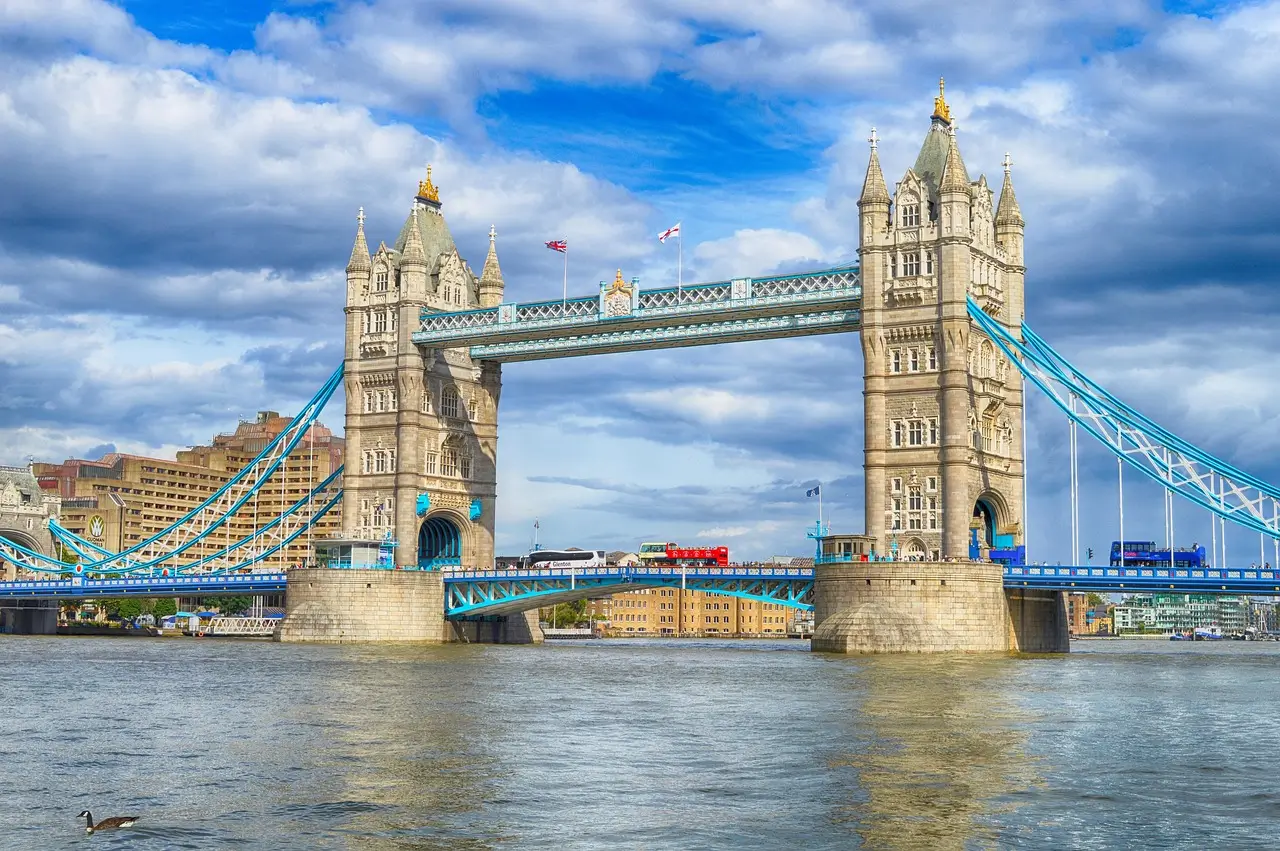
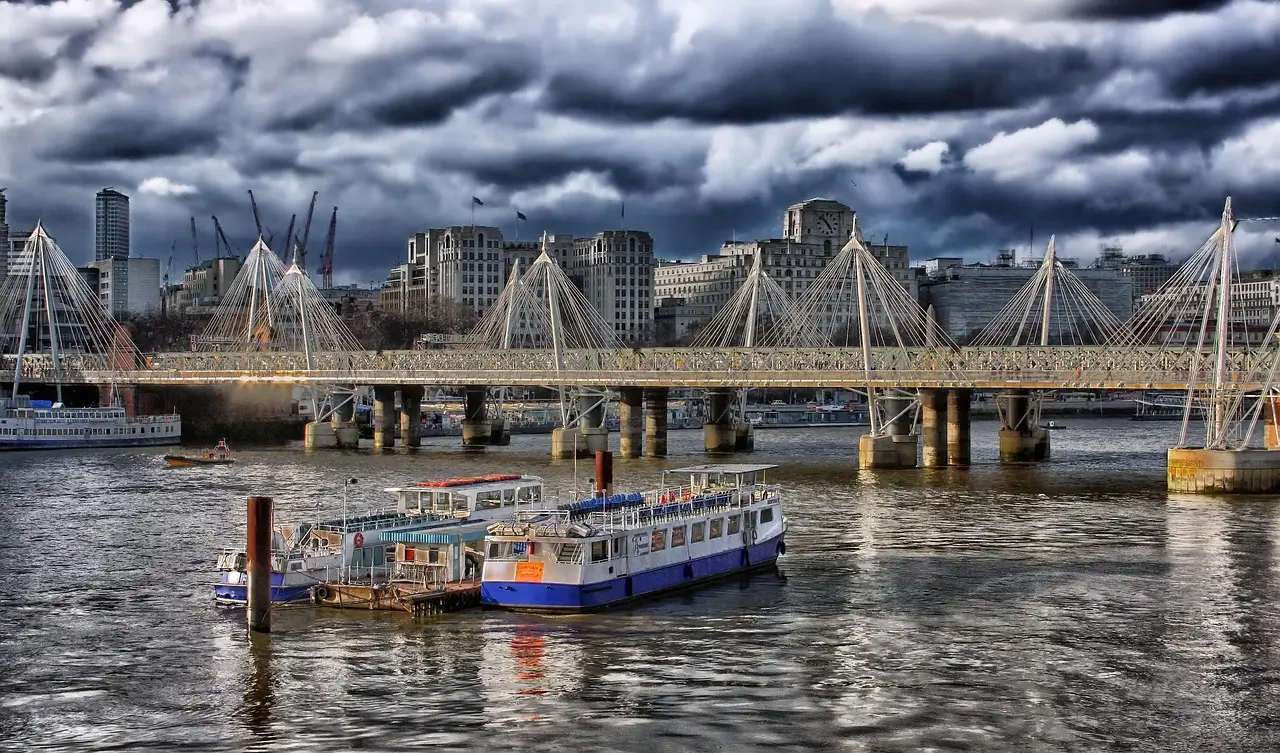
Tower Bridge
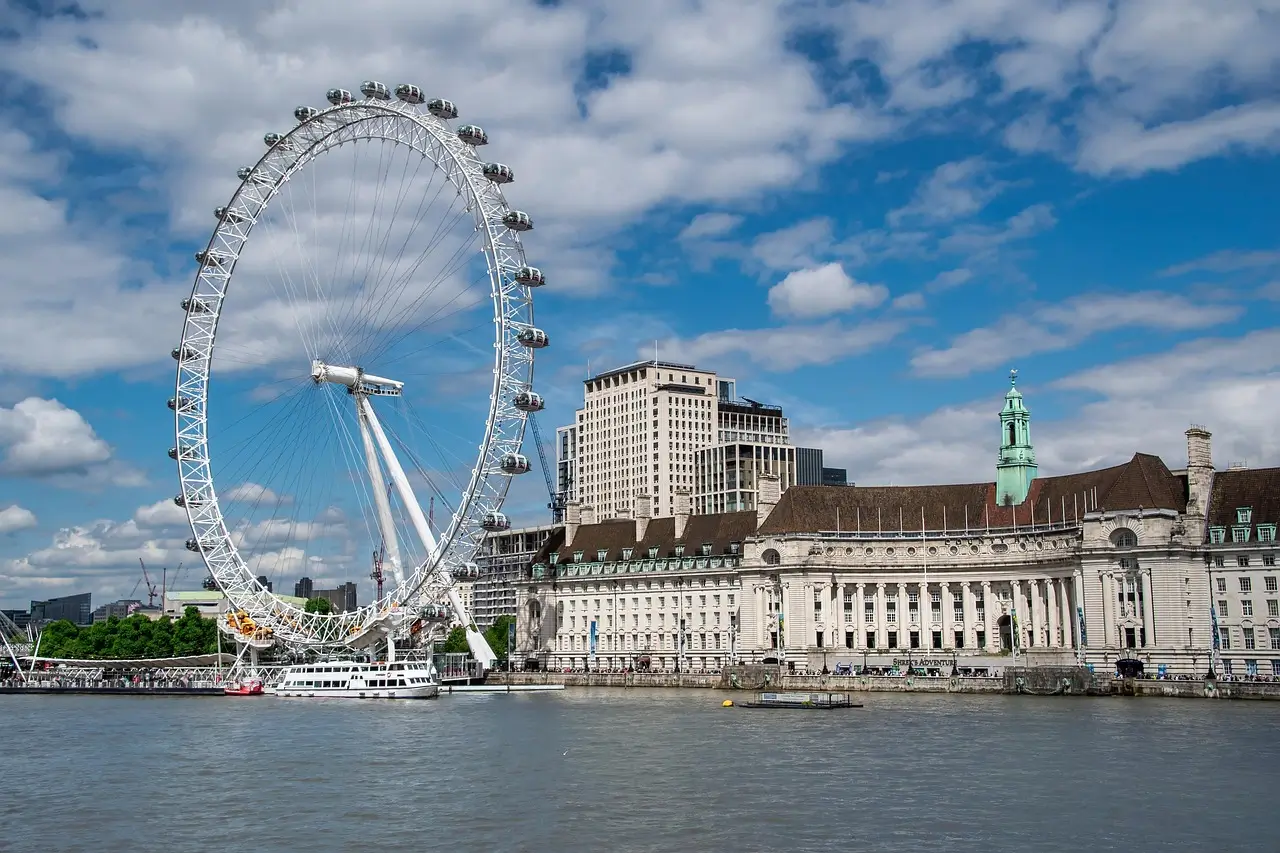
London Eye
Big Ben
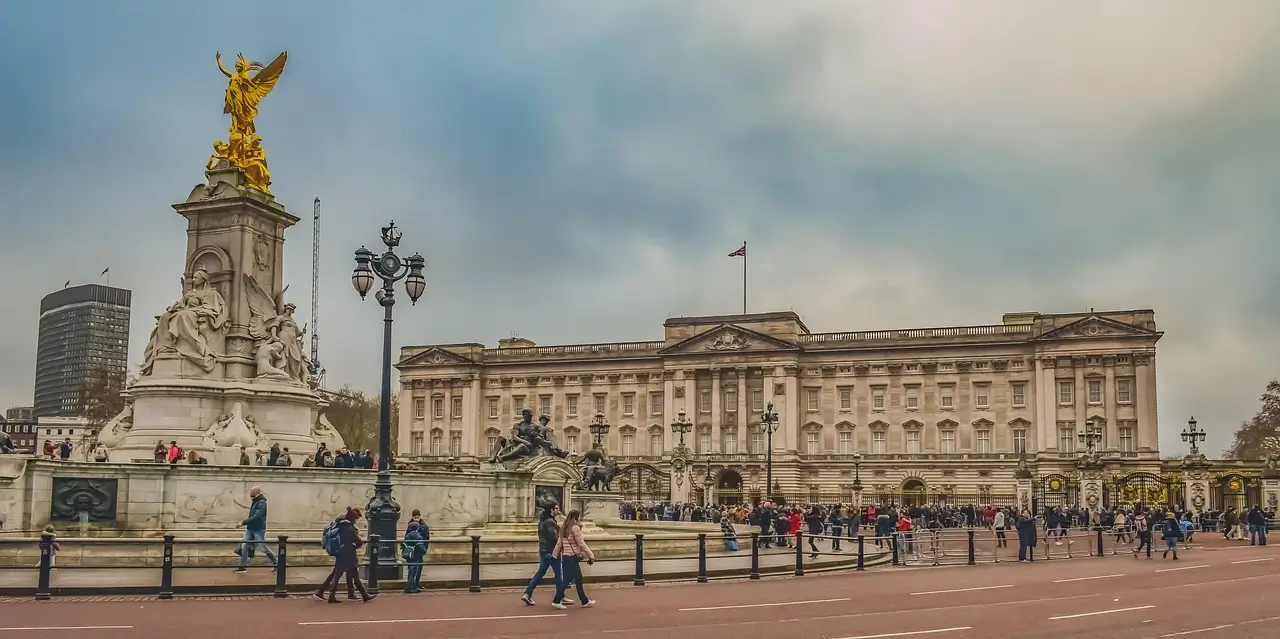
Buckingham Palace
Westminster Abbey
British Museum
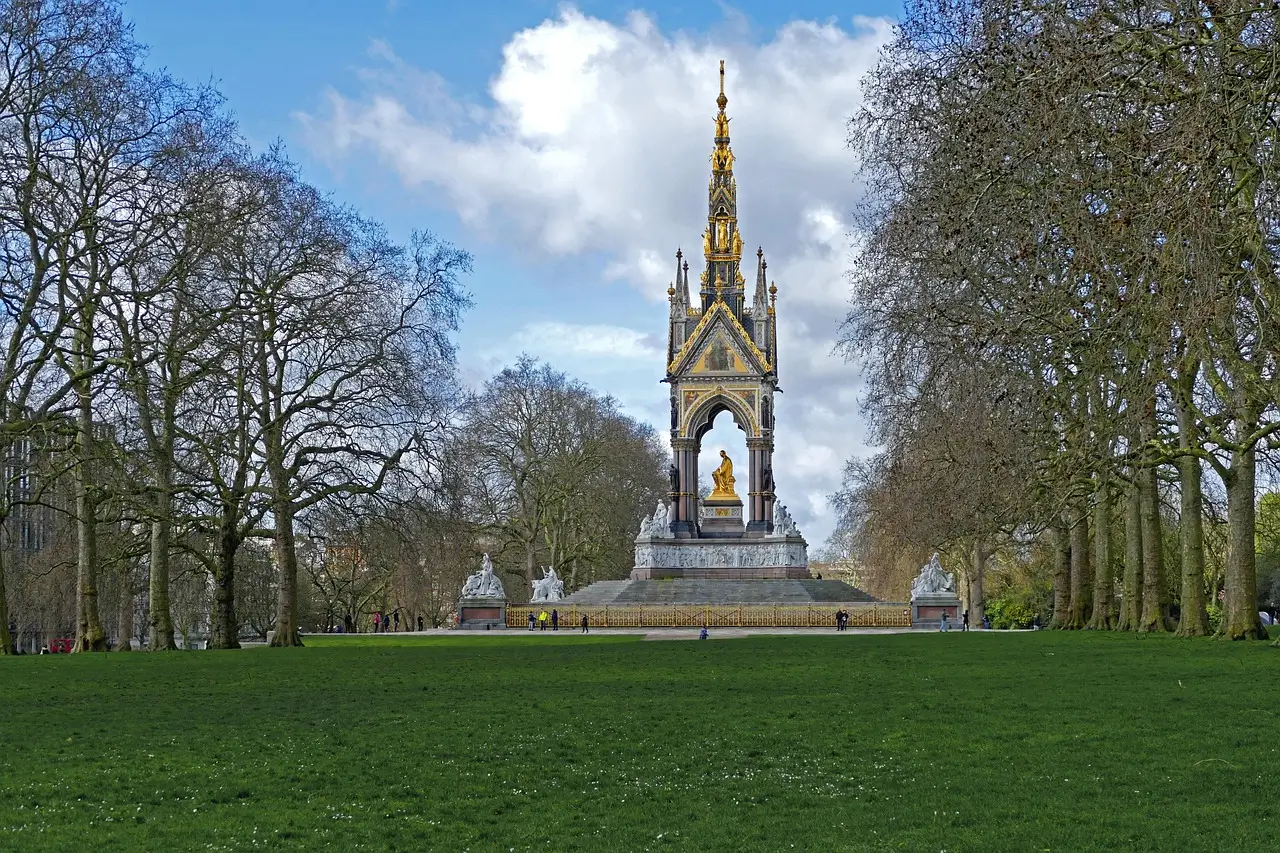
Hyde Park
Trafalgar Square
St Paul’s Cathedral
Camden Market
Free Places to Visit in London
London is known for offering many world-class attractions that can be enjoyed without spending any money. This makes the city ideal for budget travelers as well as first-time visitors.
Some of the most popular free attractions
British Museum, where visitors can explore centuries of global history,
National Gallery, which displays famous artworks from renowned artists.
Hyde Park and Regent’s Park, London also has beautiful public parks perfect for relaxing walks, picnics, or simply enjoying nature in the heart of the city.
In addition, lively walking areas like Covent Garden allow travelers to experience street performances, local culture, and historic surroundings without any entry fees.
London Shopping Guide
Best Shopping Areas in London
London offers a wide variety of shopping experiences, from luxury brands to unique local markets.
Oxford Street is the city’s most famous shopping street, known for its wide range of popular high-street brands.
Camden Market is ideal for travelers looking for unique fashion, handmade items, and alternative styles.
Covent Garden is a great place to buy souvenirs, crafts, and locally inspired gifts.
Popular souvenirs from London include traditional tea sets, fridge magnets, royal-themed items, scarves, and small handcrafted gifts that reflect British culture.
London Street Food & Famous Dishes
London’s food culture is diverse and vibrant, influenced by people and flavors from all over the world. Visitors can enjoy both traditional British meals and international cuisine across the city.
Must-Try Foods in London:
Fish and Chips – A classic British dish, commonly enjoyed from street shops and local eateries.
English Breakfast – A traditional meal featuring eggs, toast, beans, and other hearty items.
Sunday Roast – A popular weekend dish served with roasted meat, vegetables, and gravy.
Indian & International Food at Brick Lane – Famous for Indian cuisine and a wide range of global food options, representing London’s multicultural food scene.
From busy street food markets to small local cafés, London offers food choices that suit every taste and budget, making it a great city for food lovers.
Budget vs Luxury Stay Options in London
Budget Hotels in London
Travelers looking for affordable accommodation will find many budget-friendly choices across London. These options are ideal for tourists who plan to explore the city and need comfortable stays at reasonable prices.
Popular budget-friendly areas include:
King’s Cross – Known for excellent transport connections, budget hotels, hostels, and easy access to major attractions.
Earl’s Court – Offers guesthouses, budget hotel chains, and a quieter atmosphere with good Tube connectivity.
These areas are well connected to public transport, making sightseeing easy and cost-effective.
Luxury Stay in London
For travelers seeking comfort, elegance, and premium services, London is home to some of the world’s most famous luxury hotels. These locations offer refined experiences and are close to iconic landmarks.
Top luxury hotel areas include:
Mayfair – Known for high-end hotels, fine dining, and upscale shopping.
Kensington – Elegant surroundings with luxury hotels near museums and royal parks.
Westminster – Premium hotels located close to major attractions and government landmarks.
Tip on Choosing the Best Area
The best area to stay in London depends on how close you want to be to London Underground (Tube) lines, as they provide fast and convenient travel across the city. Staying near a Tube station can save time, reduce travel costs, and make your trip more enjoyable—regardless of your budget.
Honeymoon & Couple-Friendly Places in London
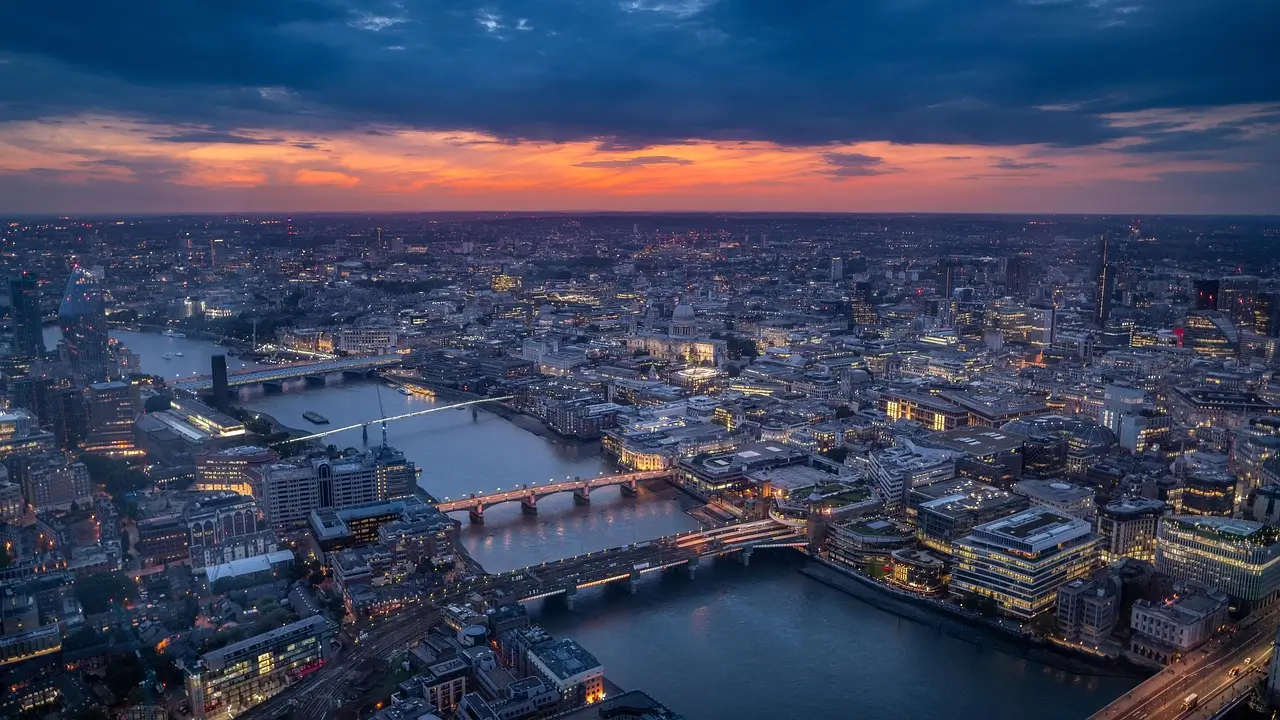
Thames River Cruise – A relaxing boat ride offering romantic views of London’s famous landmarks.
Hyde Park Walks – Perfect for quiet moments, nature walks, and peaceful time together.
London Eye at Night – A memorable experience with stunning city lights and panoramic views.
West End Theatre Shows – Ideal for couples who enjoy world-class performances and evening entertainment.
London Family Trip Guide
Family-Friendly Attractions in London
London Zoo – A fun and educational place for children to see animals up close.
Science Museum – Interactive exhibits that make learning exciting for kids of all ages.
Parks and Playgrounds – Safe open spaces where children can play and families can relax.
Kid-Friendly Museums – Museums designed with engaging activities to keep young visitors entertained.
London Travel Cost Breakdown (Per Day)
Budget (£70–£100) – Covers basic accommodation, local transport, and affordable meals.
Mid-range (£120–£180) – Includes comfortable hotels, dining at good restaurants, and paid attractions.
Luxury (£250+) – Offers premium hotels, fine dining, private transport, and exclusive experiences.
These costs generally include food, transportation, and sightseeing expenses.
Safety Tips, Rules & Cultural Etiquette in London
Generally Safe City – London is safe for tourists, but basic awareness is always advised.
Queue Discipline – Standing in line politely is expected in public places.
Public Transport Rules – Follow Tube and bus etiquette, including giving priority seating when required.
Tipping Culture – Tipping is optional and usually included in service charges.
London Trip Itinerary for First-Time Visitors
How Many Days Are Enough for London?
5–7 Days – Ideal for first-time travelers to explore the city comfortably without rushing.
Sample London Itinerary
Day 1–2 – Explore central London landmarks and iconic attractions.
Day 3 – Visit famous museums and relax in public parks.
Day 4 – Enjoy shopping streets, local markets, and cultural areas.
Day 5 – Plan short day trips or enjoy leisure activities at your own pace.
This London travel guide for first-time visitors helps you explore the city smoothly while enjoying a balanced and relaxed travel experience.
Future Outlook: Why London Always Remains Relevant
London continues to evolve while preserving its identity. Sustainability, cultural openness, and infrastructure upgrades ensure that London remains a top destination for decades to come.
Conclusion
London rewards those who travel with curiosity and patience. It is not just about ticking landmarks—it is about understanding stories, people, and rhythm. With the right planning, realistic budgeting, and open mindset, your first London trip can become a lifelong memory.
This London travel guide for first time visitors is designed to help you travel smarter, deeper, and with confidence.
Frequently Asked Questions (FAQs): London Travel Guide for First Time Visitors
1. Is London suitable for first-time international travelers?
Yes, London is one of the most beginner-friendly international destinations. English is widely spoken, public transport is easy to use, and tourist facilities are well developed. First-time visitors usually find the city comfortable and well-organized.
2. Is London an expensive city for travelers?
London can be expensive, but it is possible to travel on a budget. Free museums, public parks, affordable public transport, and budget hotels help control costs. Planning in advance makes London more affordable.
3. Which area is best to stay in London for first-time visitors?
Central areas like Westminster, King’s Cross, Paddington, and South Kensington are ideal. These locations offer excellent transport connections and easy access to major tourist attractions.
4. Do tourists need cash in London?
Cash is rarely required. London is mostly cashless, and contactless cards are accepted on public transport, in shops, restaurants, and hotels. Carrying a small amount of cash is optional.
5. Is London safe for solo travelers and families?
Yes, London is generally safe for solo travelers, couples, and families. Tourist areas are well-policed. Basic precautions such as protecting valuables and avoiding isolated areas late at night are sufficient.
6. Do first-time visitors need a guided tour in London?
A guided tour is not mandatory, but it can be helpful for first-time visitors. Walking tours and hop-on hop-off buses provide historical context and save planning time. Independent travelers can easily explore London using maps and mobile apps.
Every great trip begins with the right information. In our “Know Your Destination” section, we explore important travel insights, local culture, safety tips, best seasons to visit, and practical advice to help you plan smarter and travel confidently.